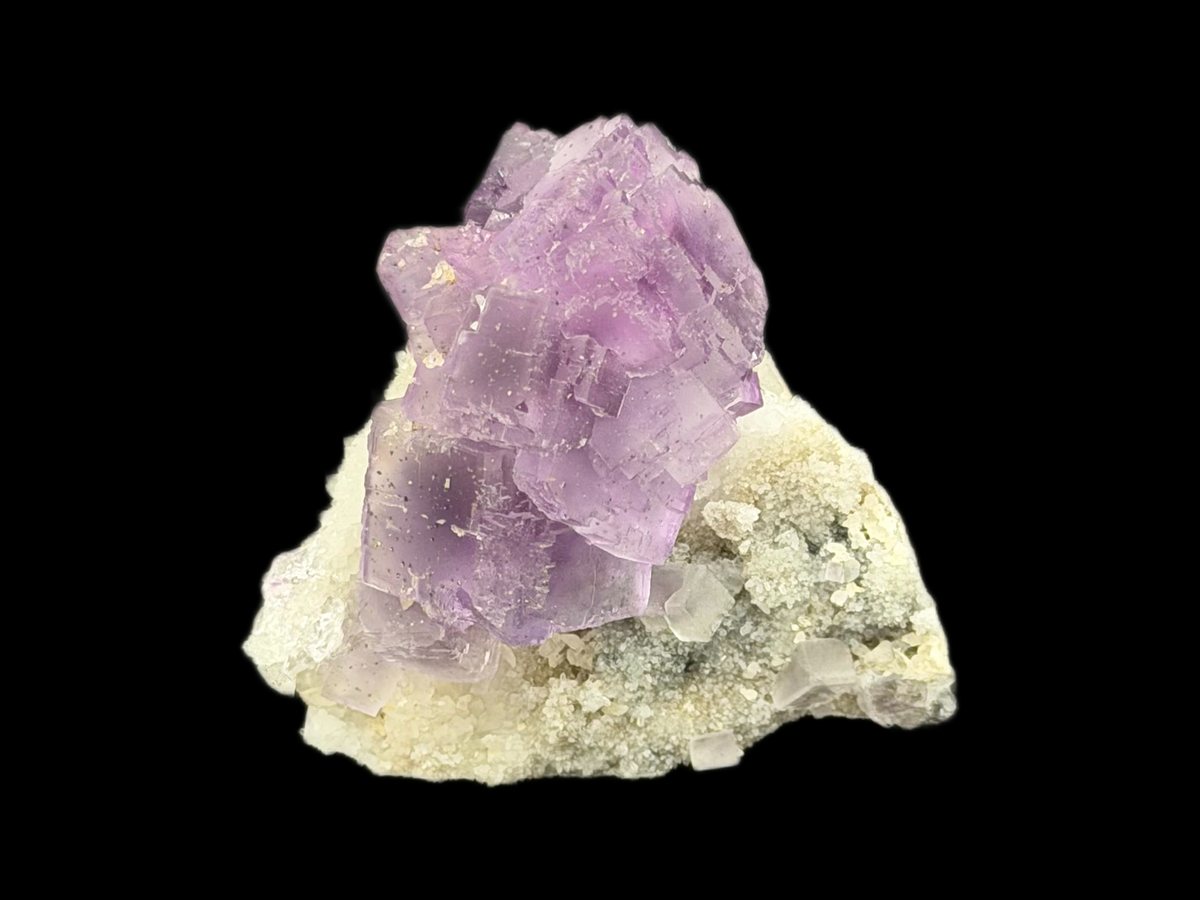
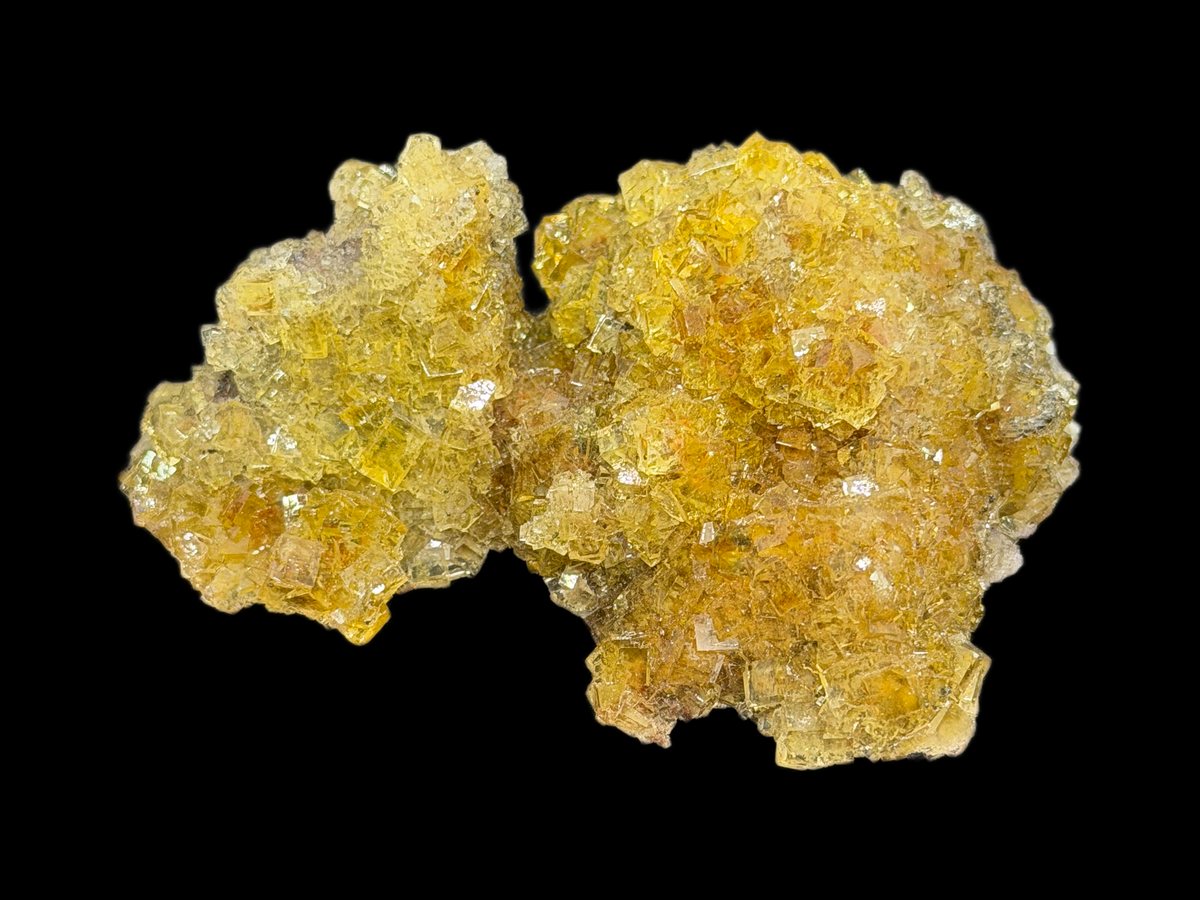
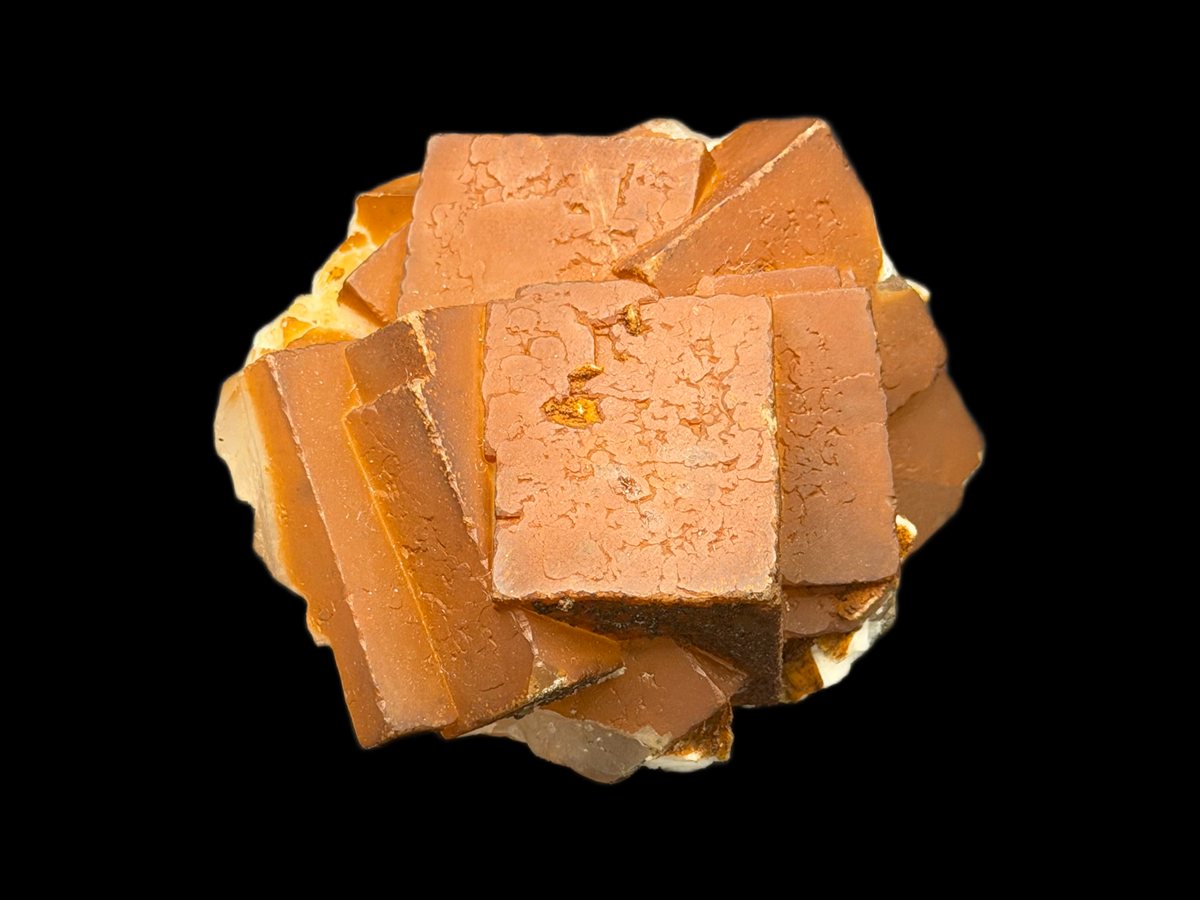
Fluorite World Specimen GuideProfessional Collector Edition
Fluorite1
SquatchRocks collector flipbook
Fluorite
A World Specimen Guide
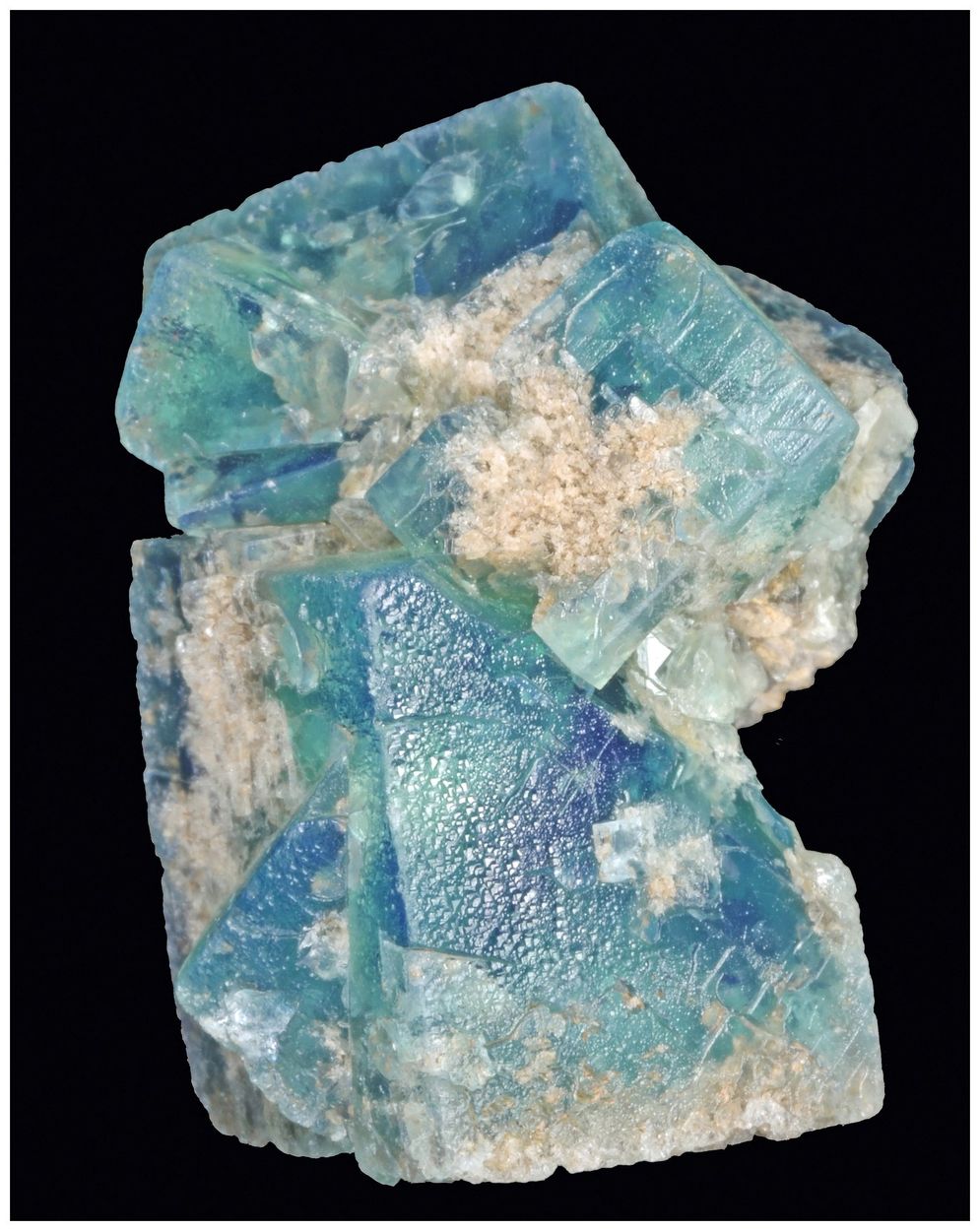
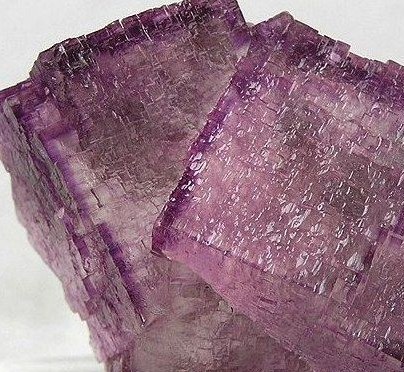
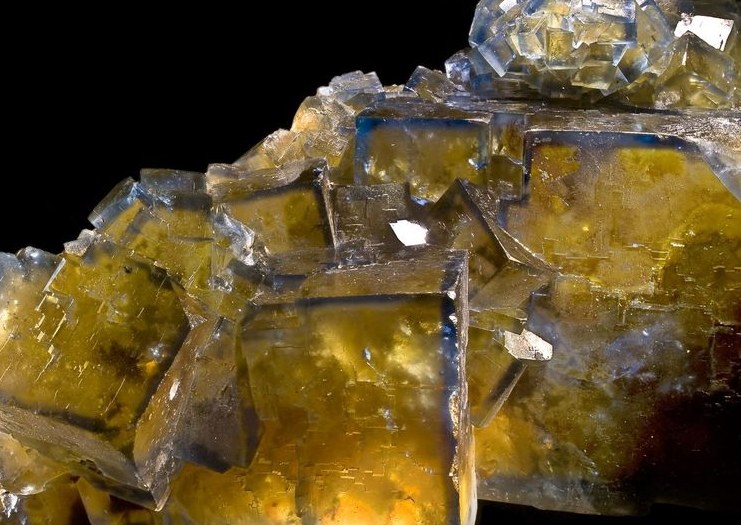
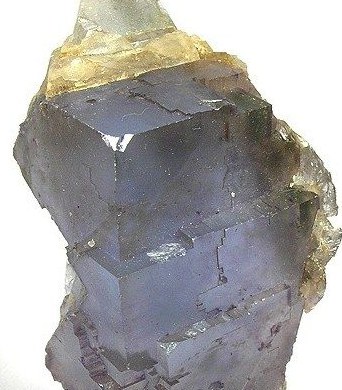
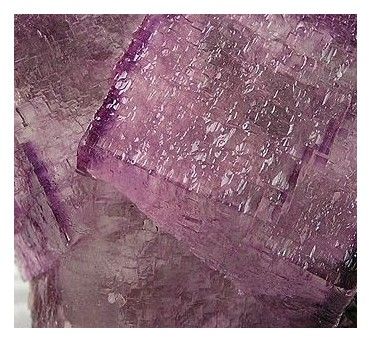
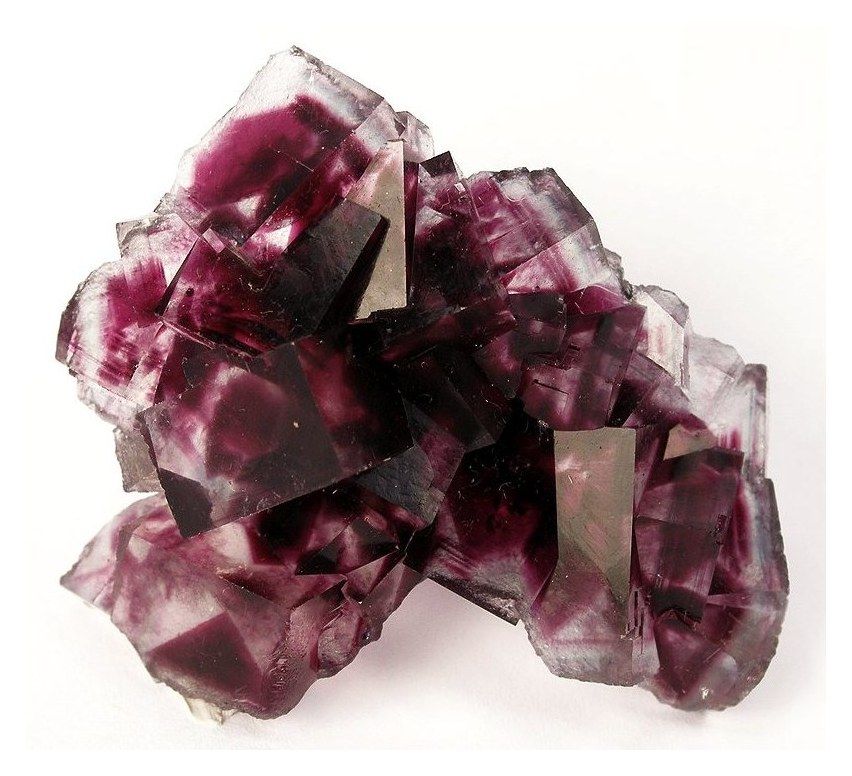
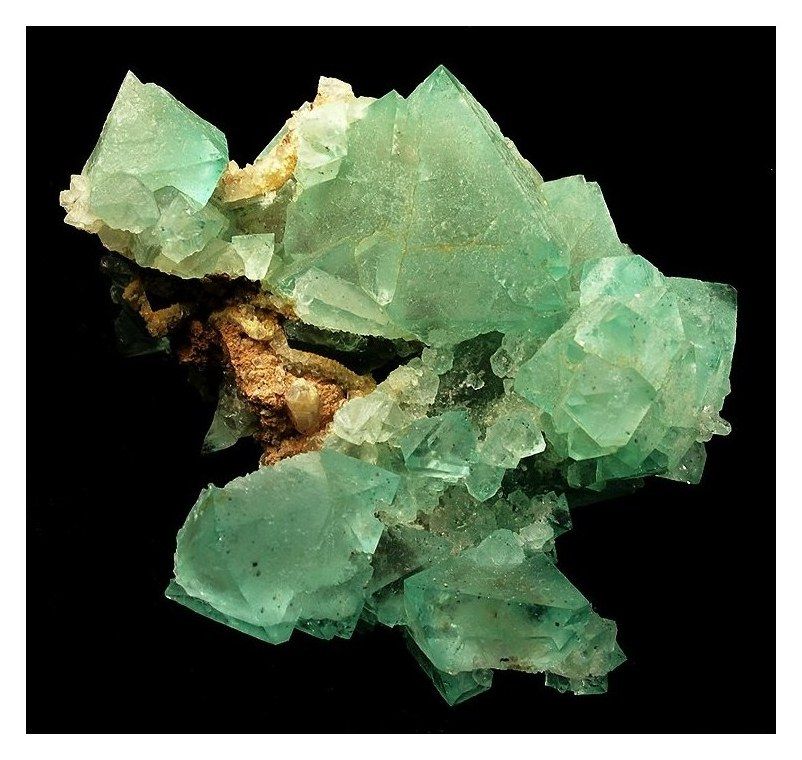
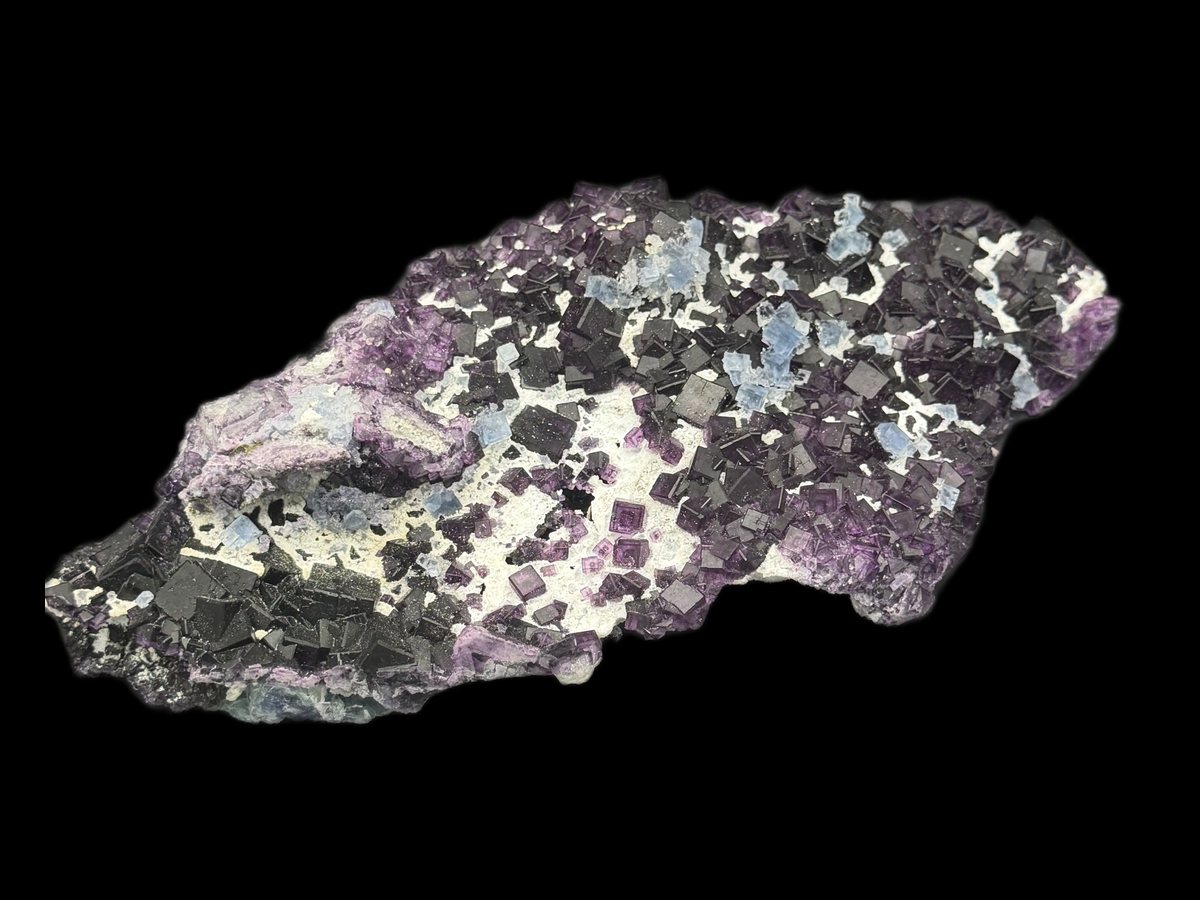
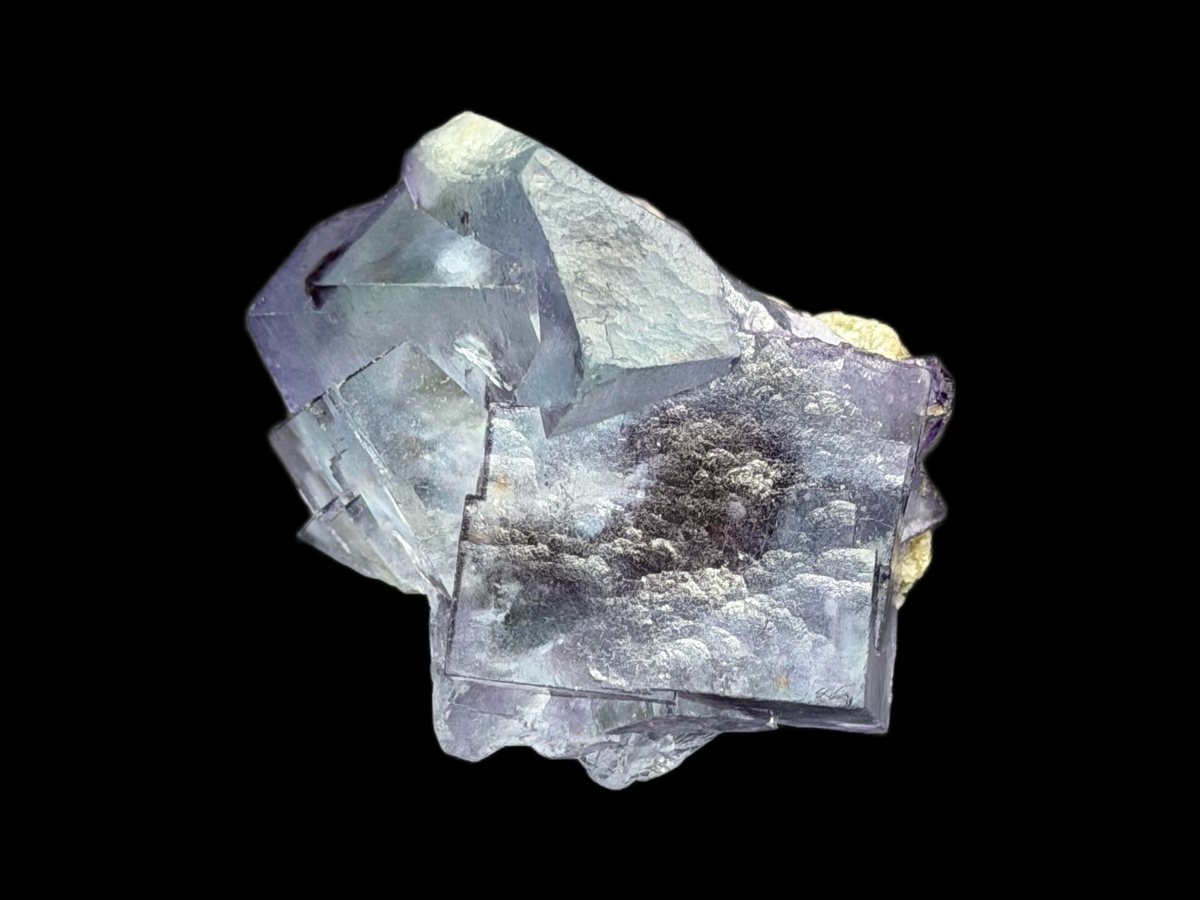
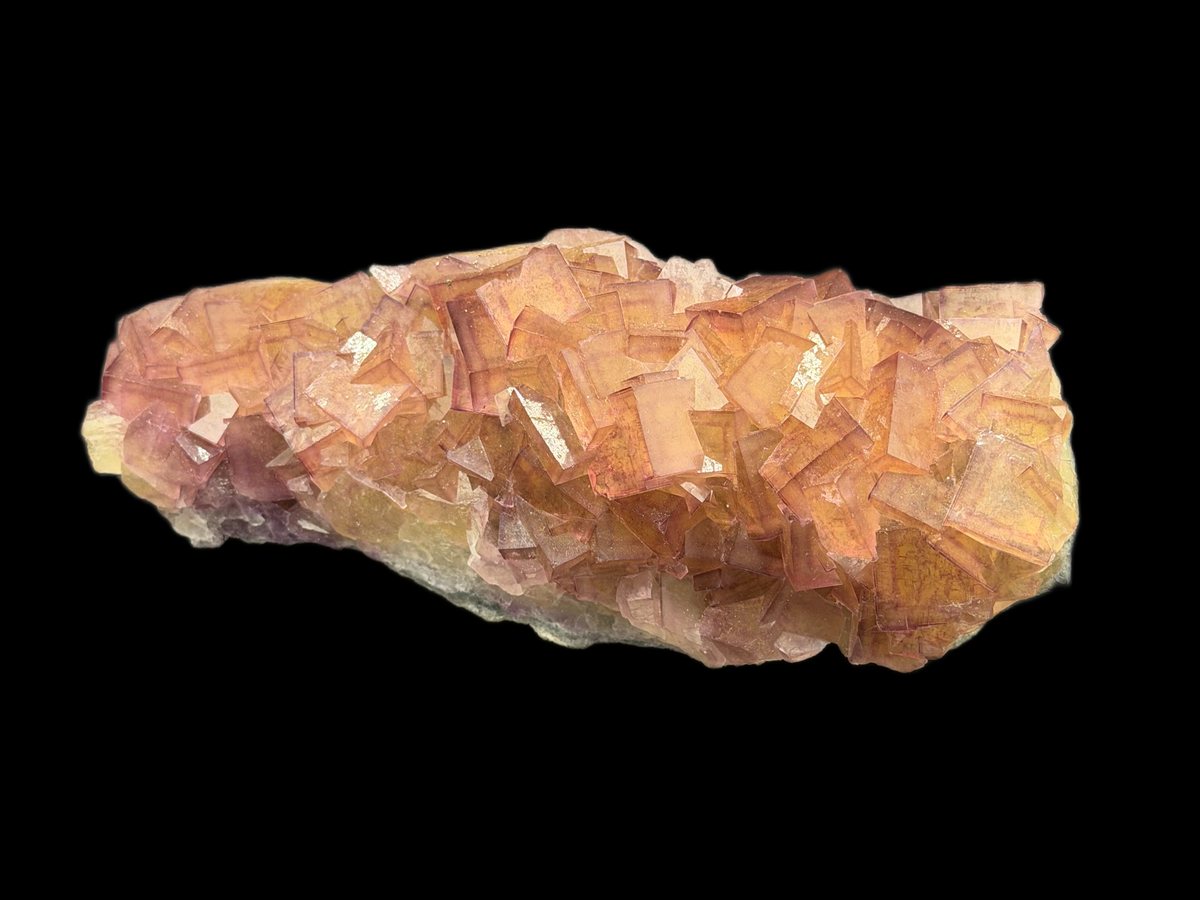
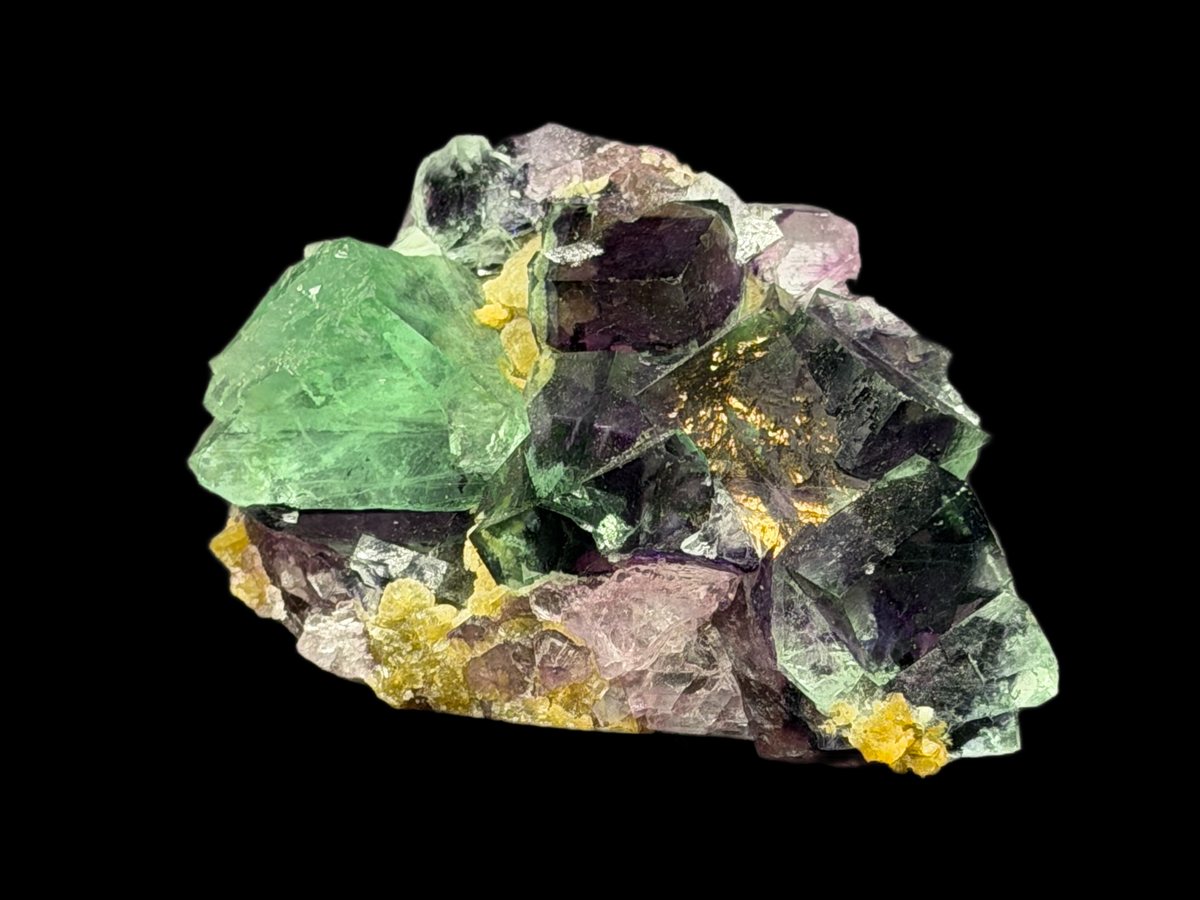
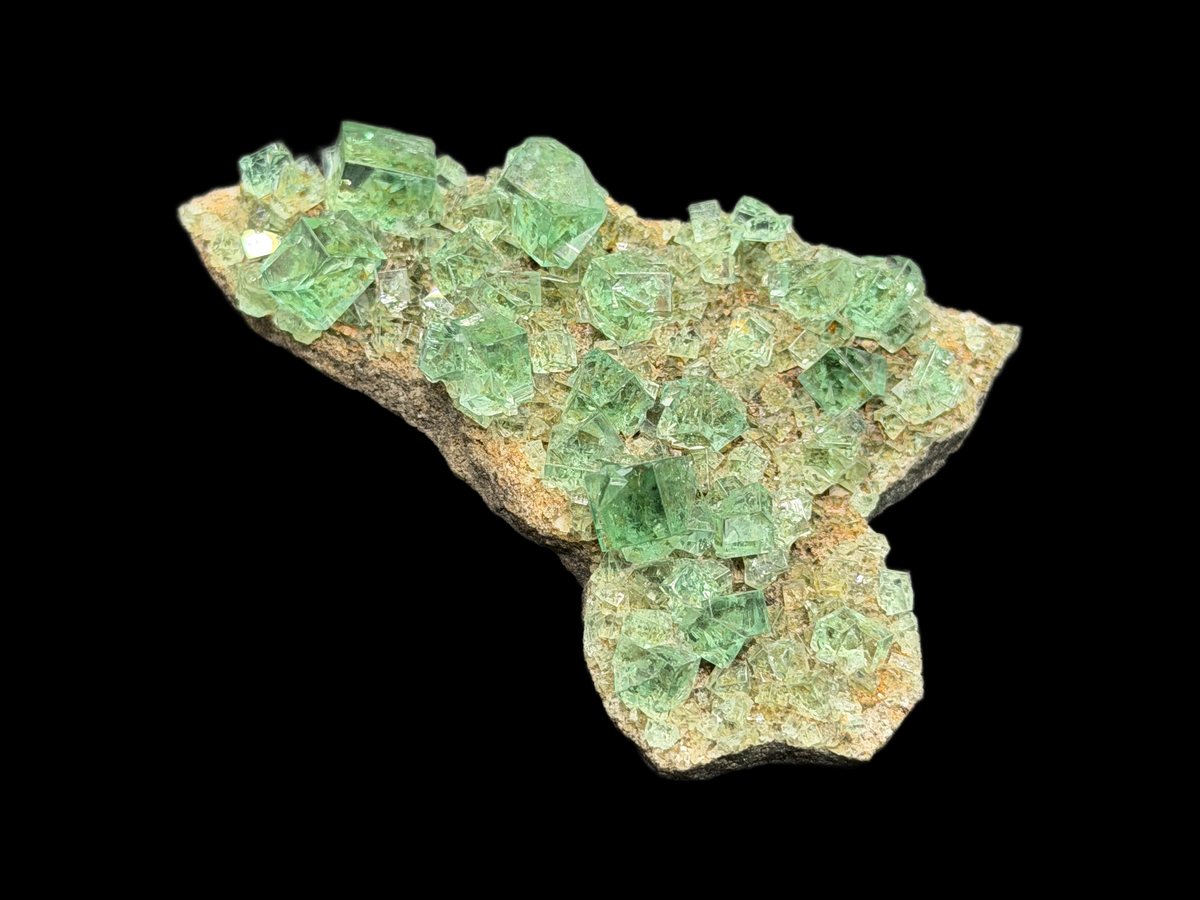
Cubic fluorite showing the geometry, zoning, and glassy luster that make the species collectible.
Dense web edition: chemistry, crystal forms, mining methods, country chapters, Jason Souza collector photo plates, compact photo plates, zoom controls, and an easy 20-question quiz in a two-page book view.
How to Use This Book2
This flipbook is designed for web reading rather than a printed Word layout. Paragraphs may continue from one page idea to the next, but tables are kept as compact single-page panels so you do not get awkward blank areas or split table rows.
1 Chemistry & formation
2 Color, zoning & fluorescence
3 Crystal shapes & habits
4 How fluorite is mined
5 United Kingdom
6 United States
7 Mexico & China
8 Spain, France & Germany
9 Africa and global localities
10 Easy 20-question quiz
11 Jason Souza collector photo plates
Navigation: use the arrows, keyboard left/right keys, or the page slider. Desktop shows an open book; phones switch to one page.
Safety note: mines, caves, dumps, adits, and quarries may be private, unstable, flooded, or legally restricted. This guide is for specimen study and does not grant collecting access.
Study tip: as you read, compare crystal habit, matrix, associations, color zoning, and labels. A single clue rarely proves a locality, but several clues together can make an identification much stronger.
Best way to readUse the country chapters for locality context, then test yourself with the quiz.
What to compareHabit, matrix, color zoning, luster, cleavage, label quality, and associated minerals.
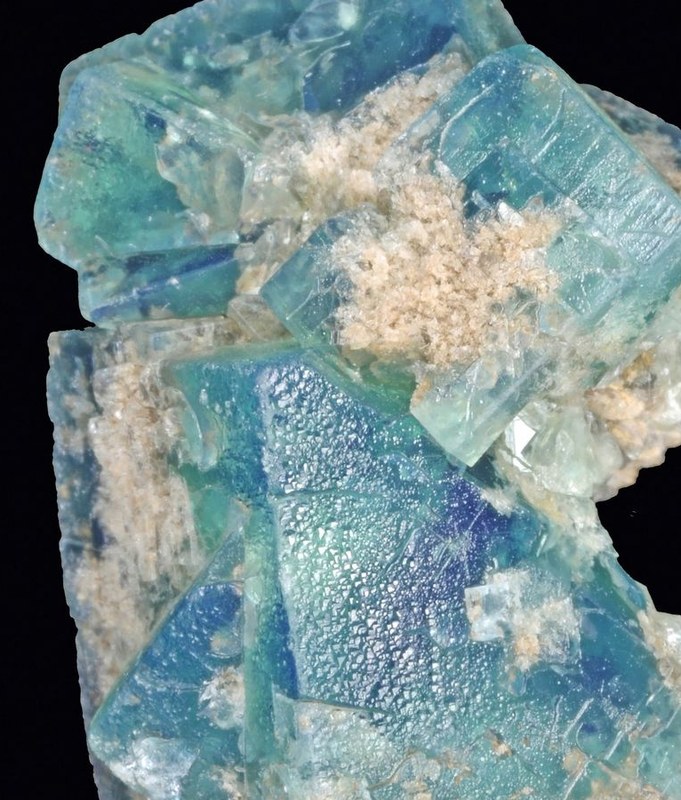
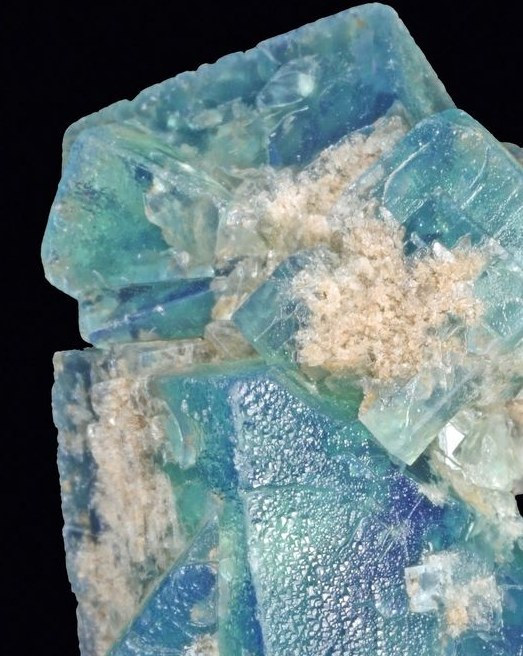
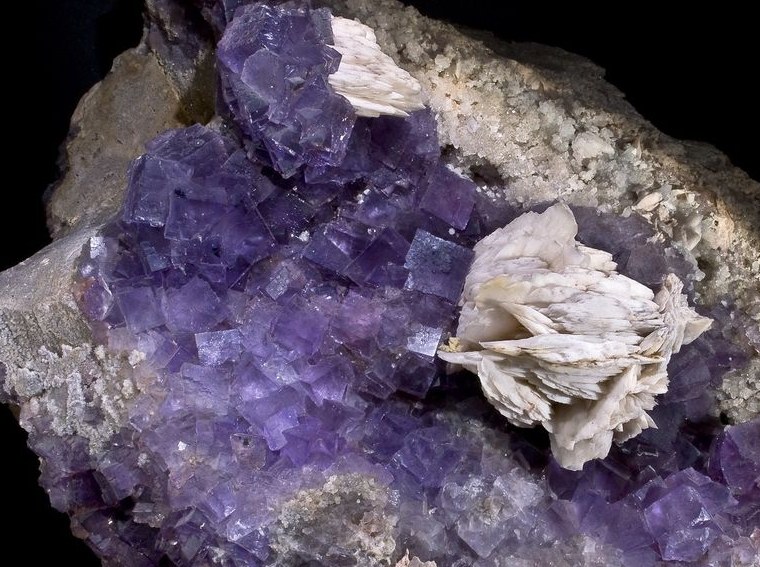
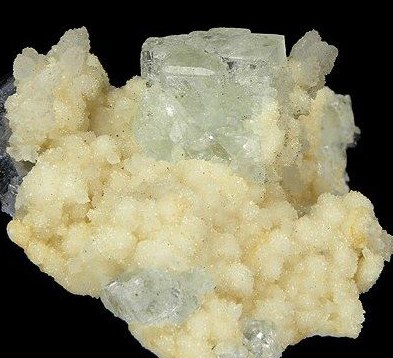
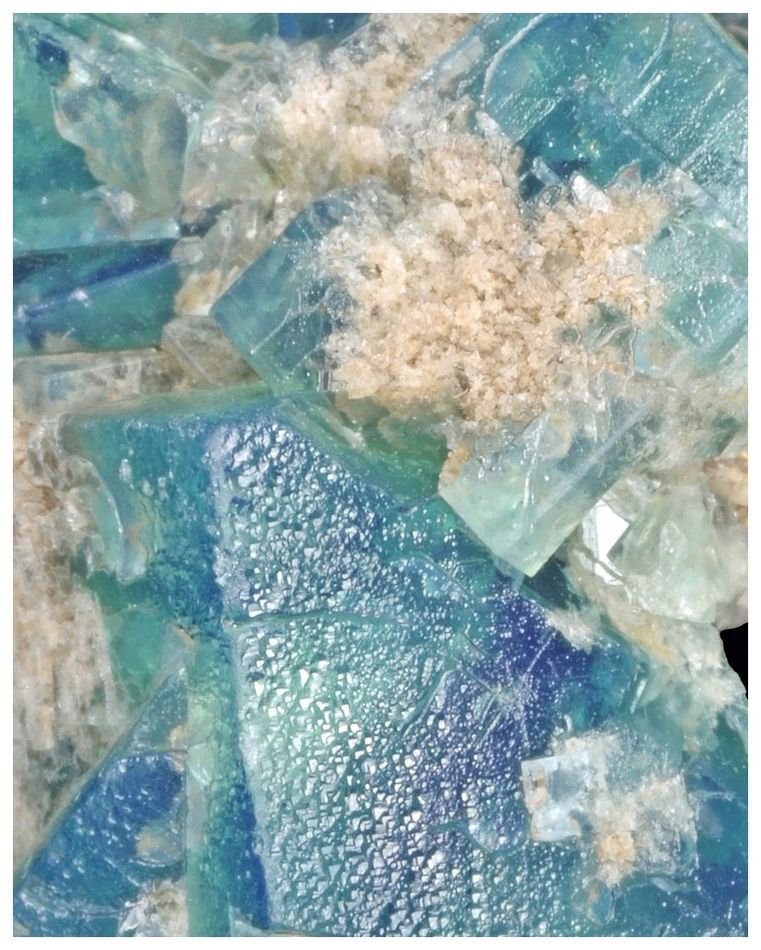
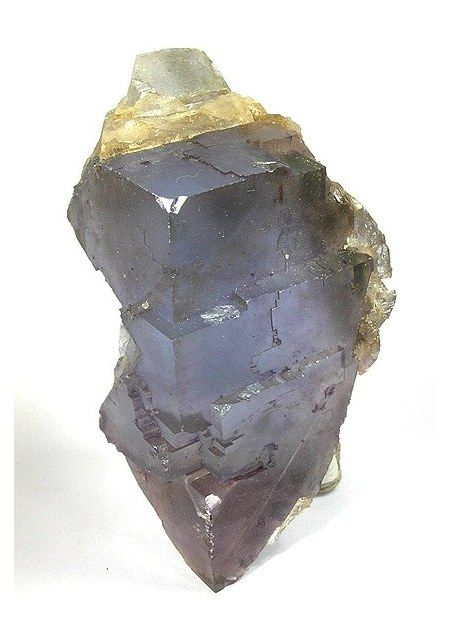
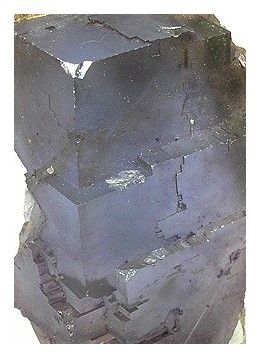
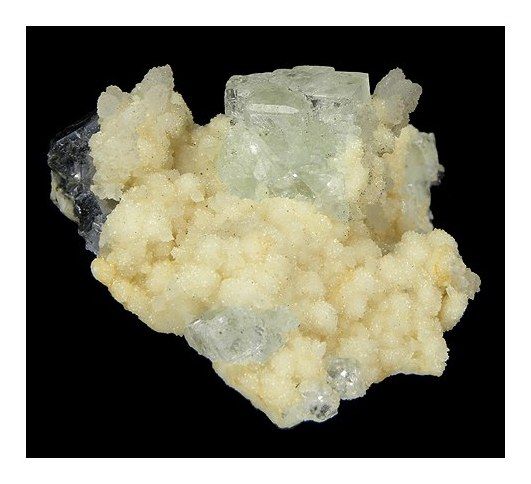
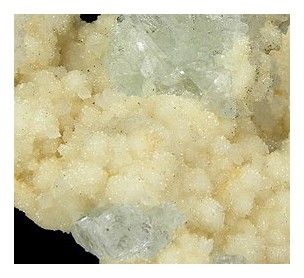
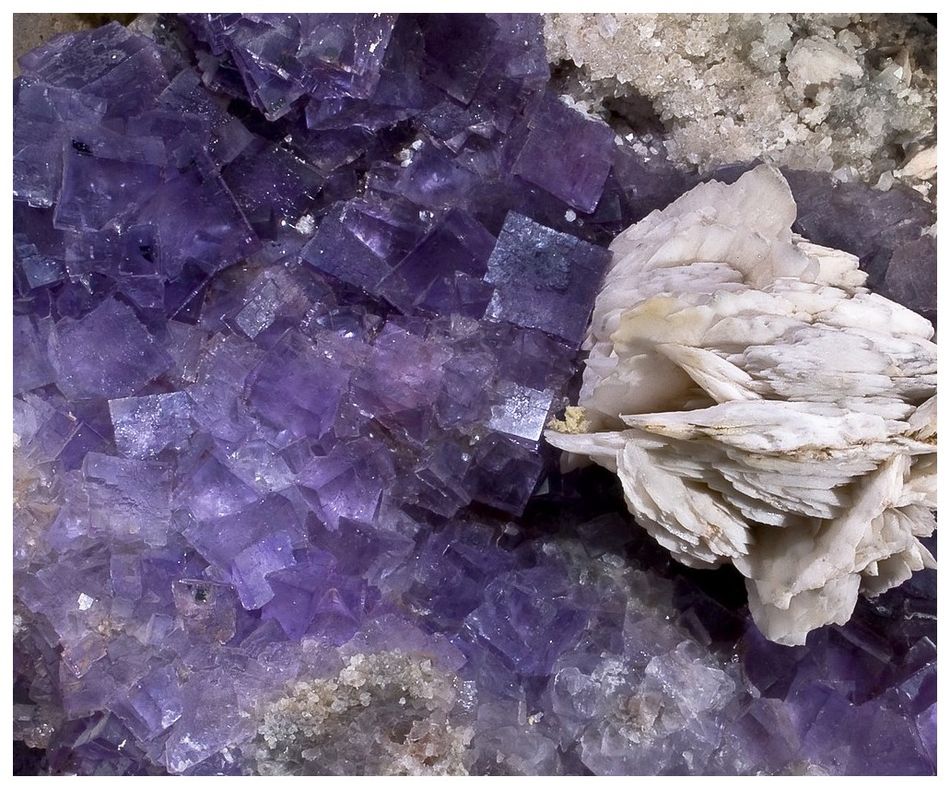
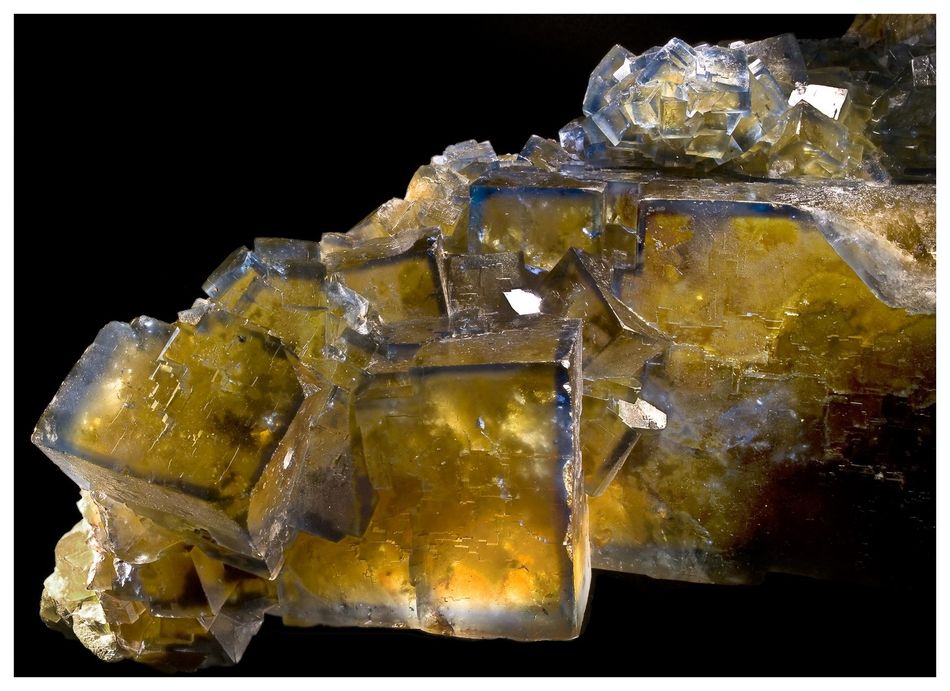
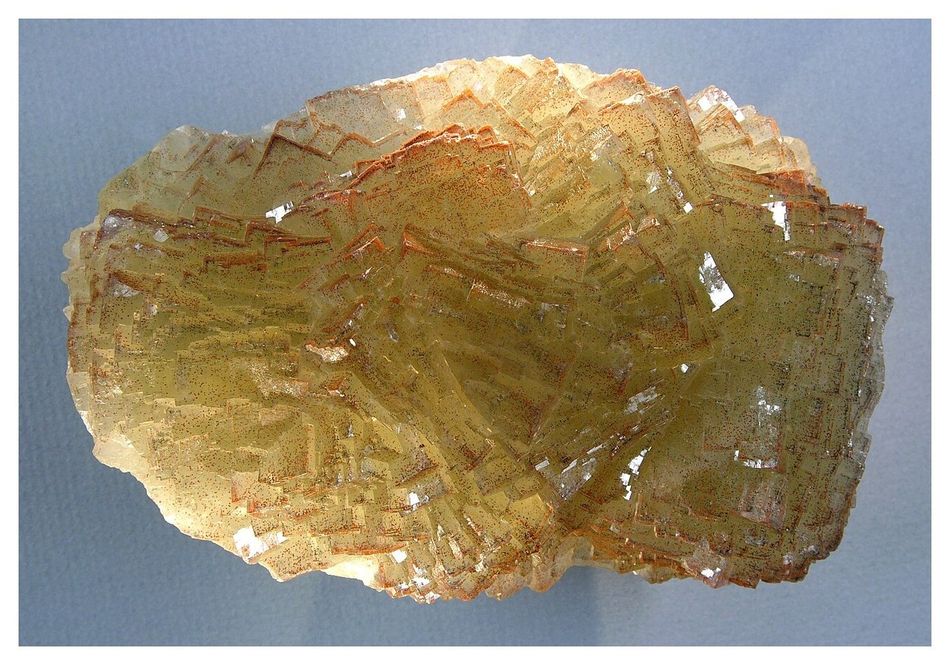
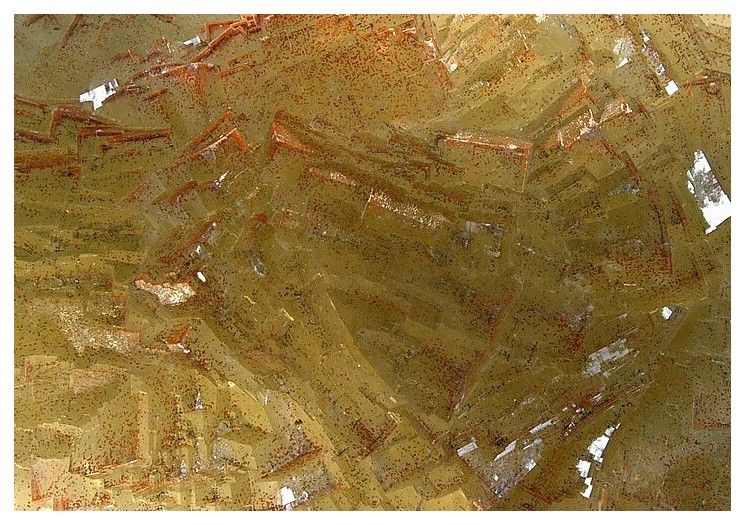
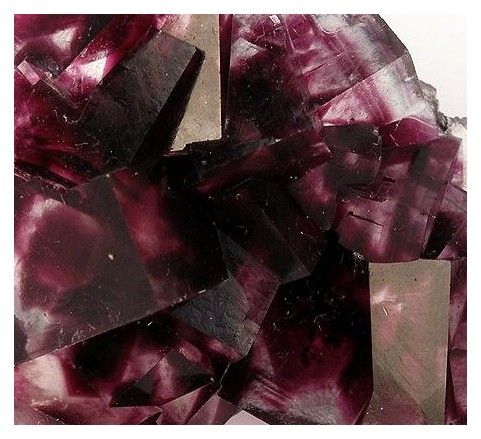
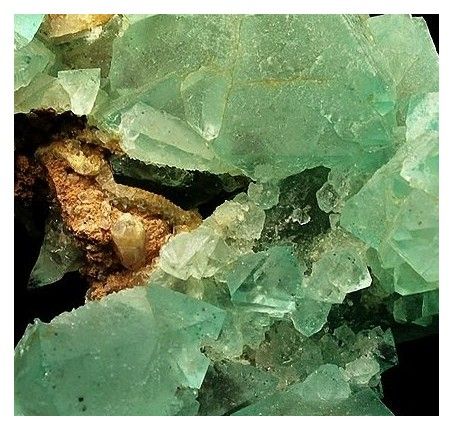
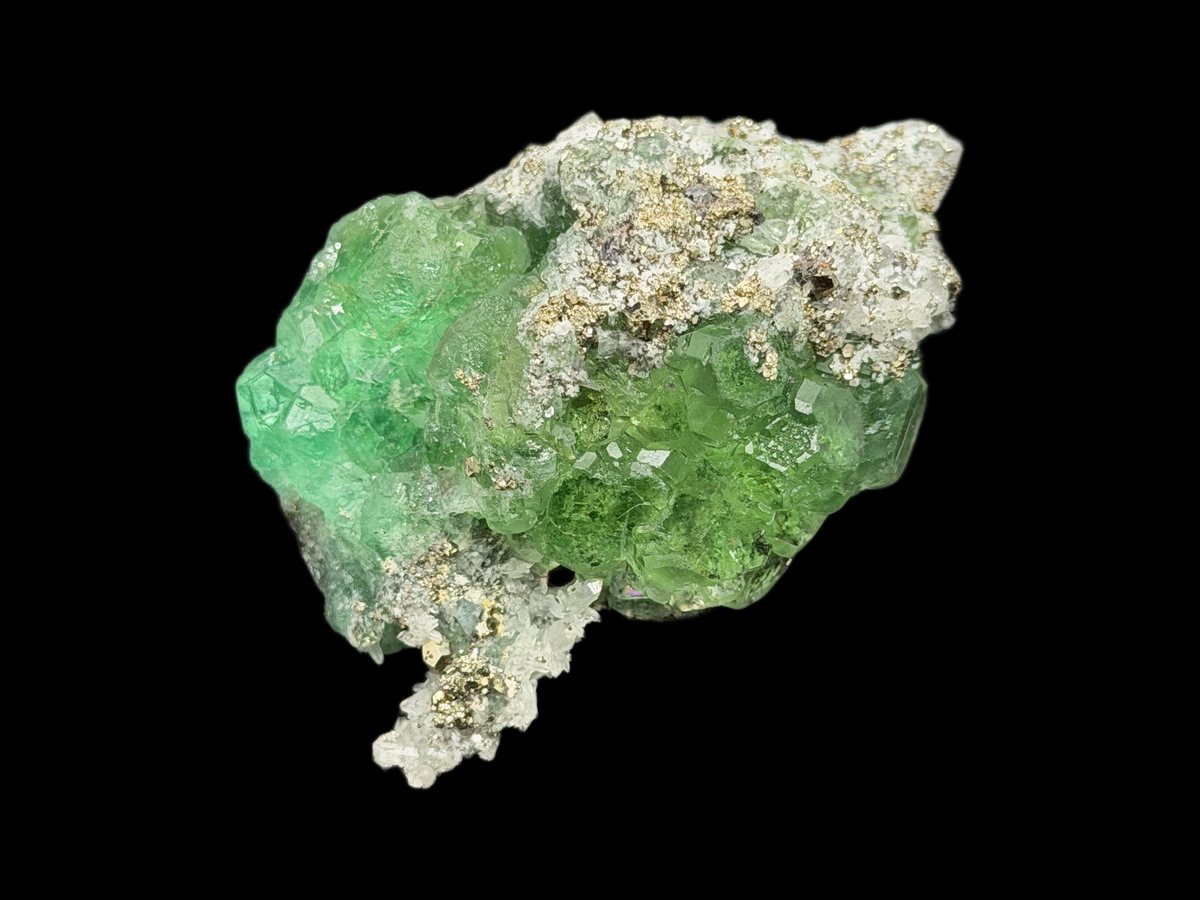
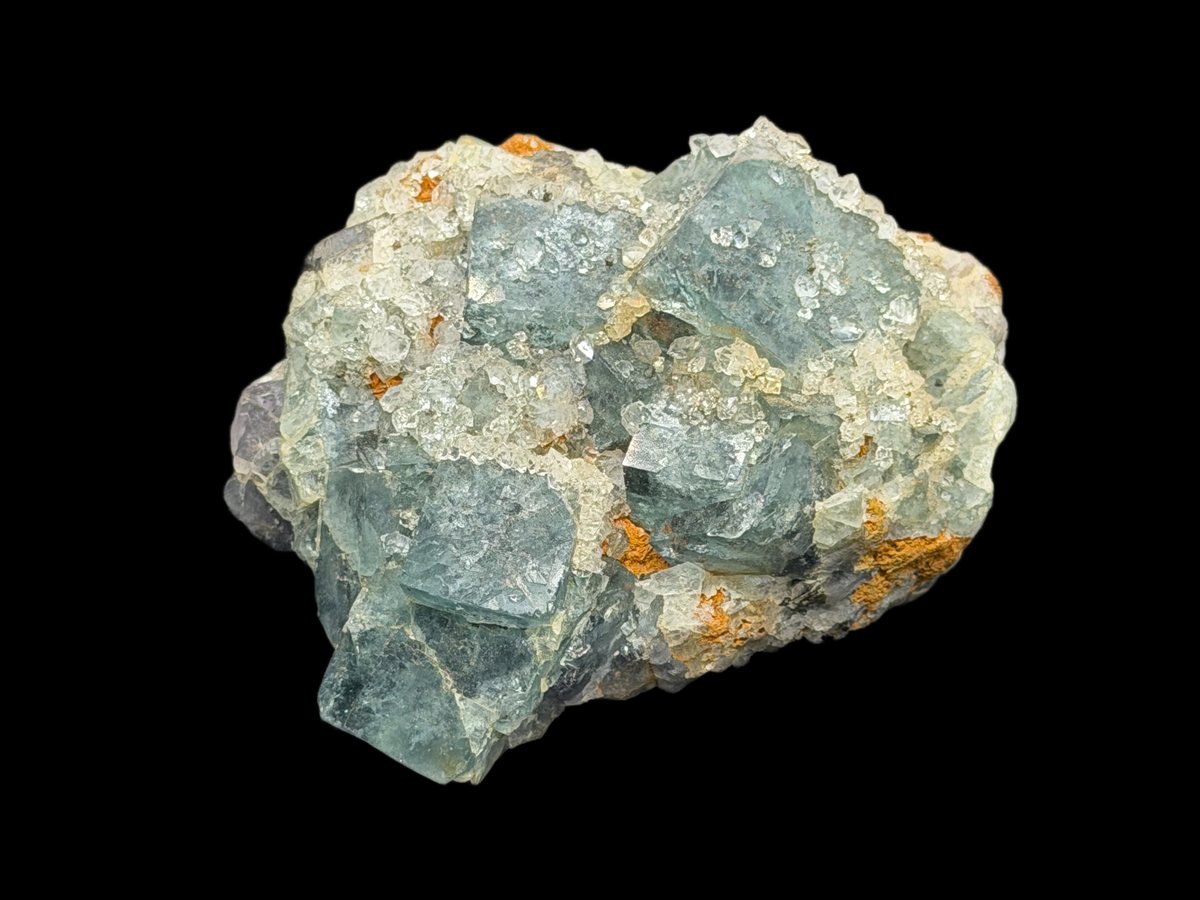
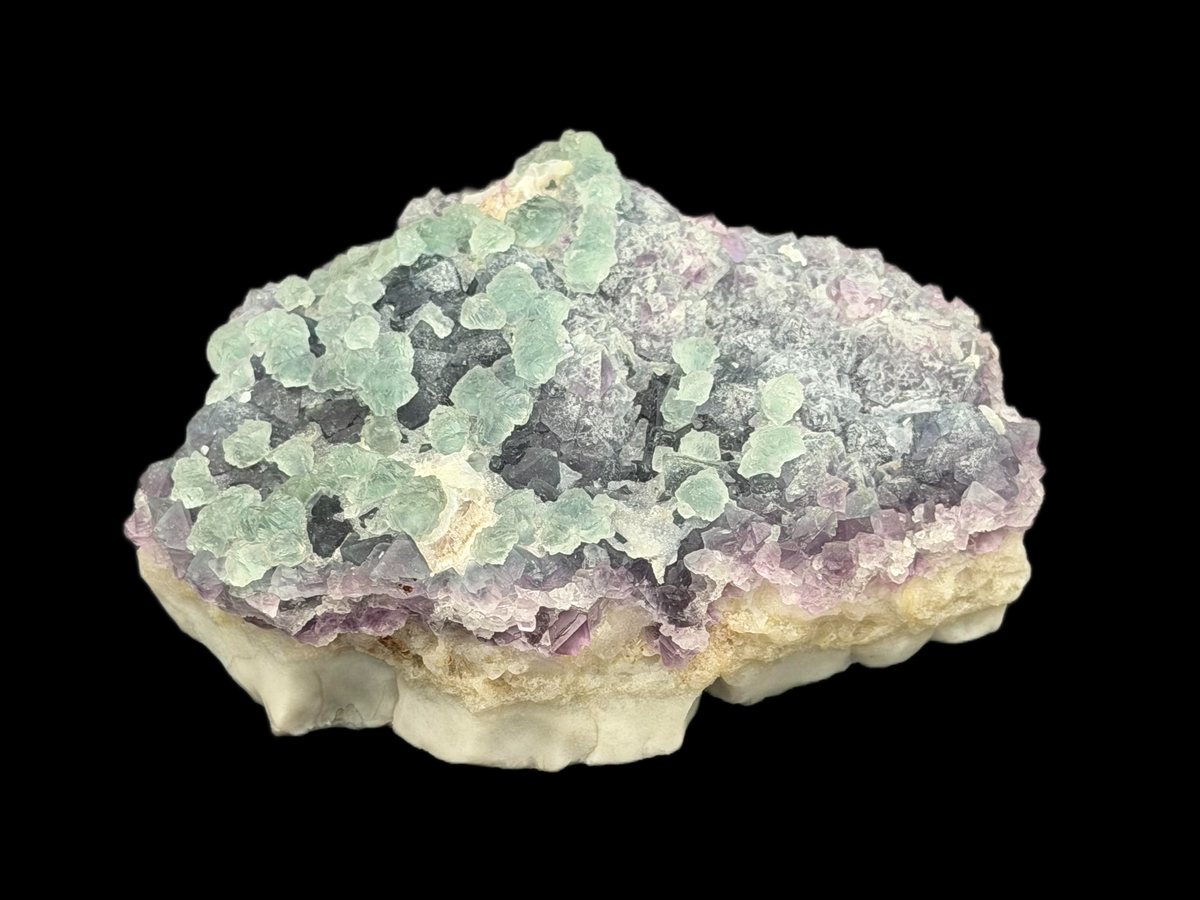
Color zoning detailGreen cubic facesBlue-purple detailAmerican cube detail
Chemistry & Structure3
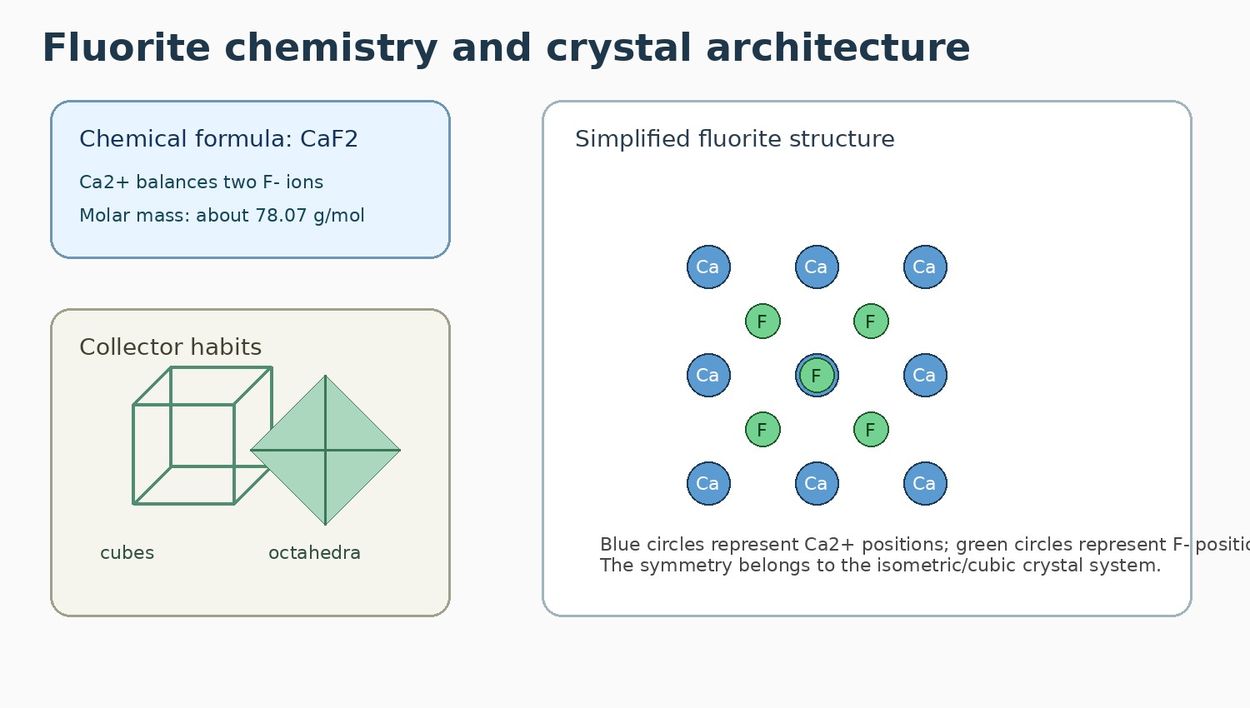
Formula: CaF2. Fluorite is a halide mineral: one Ca2+ ion balances two F- ions. The chemistry is simple; the collector variety comes from trace elements, radiation damage, growth defects, inclusions, and changing fluid chemistry.
Property
Value
Class
Halide
Crystal system
Isometric / cubic
Hardness
Mohs 4
Cleavage
Perfect octahedral
Luster
Vitreous
Streak
White
Common habits
Cubes, octahedra, modified cubes, massive, crusts
Simplified fluorite chemistry and crystal architecture.
Chemistry clueSimple CaF₂ chemistry; complex colors come from defects, impurities, and radiation history.
Collector cluePerfect octahedral cleavage means edges chip easily.
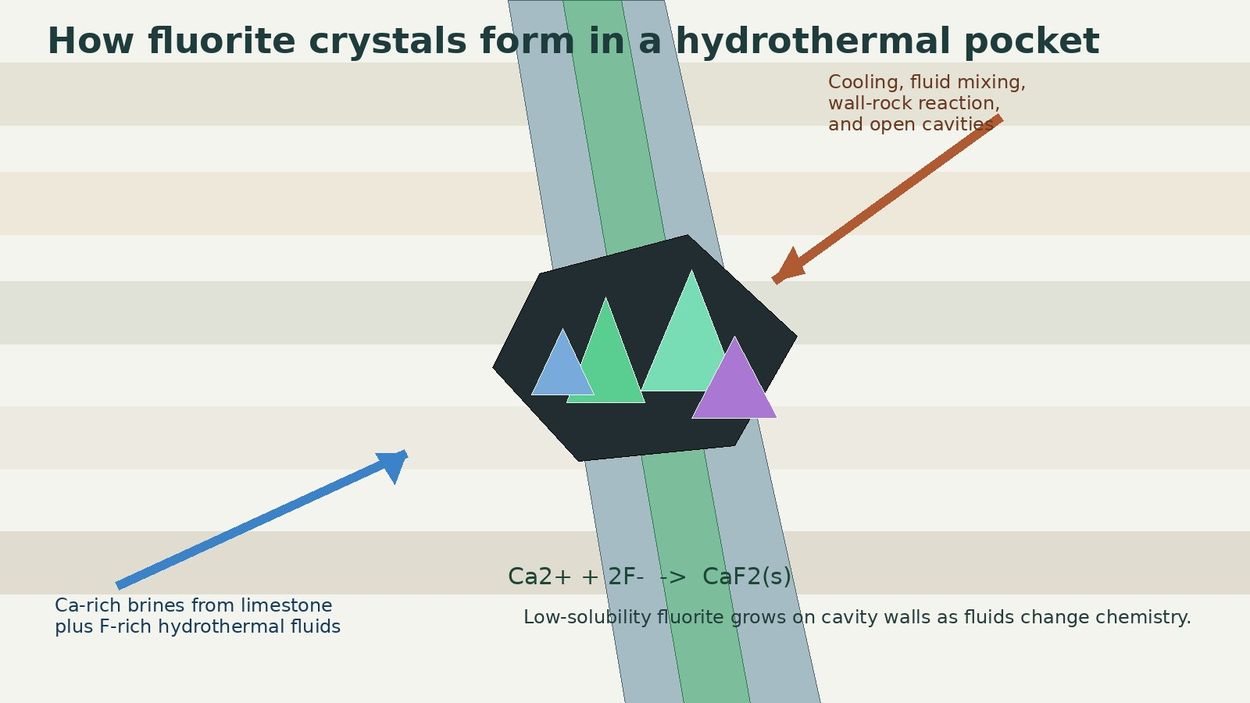
Most fine fluorite specimens form where calcium-bearing rocks or fluids meet fluorine-bearing hydrothermal fluids. The key reaction is simple in concept: dissolved calcium and fluoride become low-solubility calcium fluoride, then grow on open surfaces.
Hydrothermal pocket model: fluid mixing, wall-rock reaction, cooling, and open space allow fluorite crystals to grow.
Coolingfluid mixingfault openinglimestone reactionpressure drop
Crystal quality depends on open space. Massive fluorite can be an ore; collector fluorite usually requires a pocket, vug, vein opening, or fissure where faces can grow without being crushed.
Why open space mattersA sealed vein makes ore; a vug or pocket lets crystal faces grow.
Formation shorthandCalcium + fluoride + open space + time = collectible fluorite.
Formation modelGrowth geometryFluid color changeHydrothermal luster
Color, Zoning & Fluorescence5
Fluorite can be purple, green, yellow, blue, pink, colorless, gray, black, or multicolored. The basic formula remains CaF2; color is usually controlled by defects, trace elements, radiation history, and repeated growth pulses. This is why the same district can produce several colors.
Feature
Collector meaning
Color zoning
Multiple fluid pulses or changing chemistry during growth.
Phantoms
Earlier crystal outlines preserved inside later growth.
UV response
Activation by trace impurities/defects; useful but not a locality proof.
Cleavage bruises
Fluorite breaks along perfect octahedral cleavage; inspect edges carefully.
Matrix
Often the best clue: sphalerite, barite, quartz, calcite, dolomite, stibnite, etc.
Identification rule: color alone is weak evidence. Habit + matrix + associated minerals + label history gives a stronger locality call.
Color is a clue, not proofMany districts produce more than one color, and similar colors occur worldwide.
Strong locality cluesMatrix, associated minerals, old labels, pocket notes, and reliable dealer provenance.
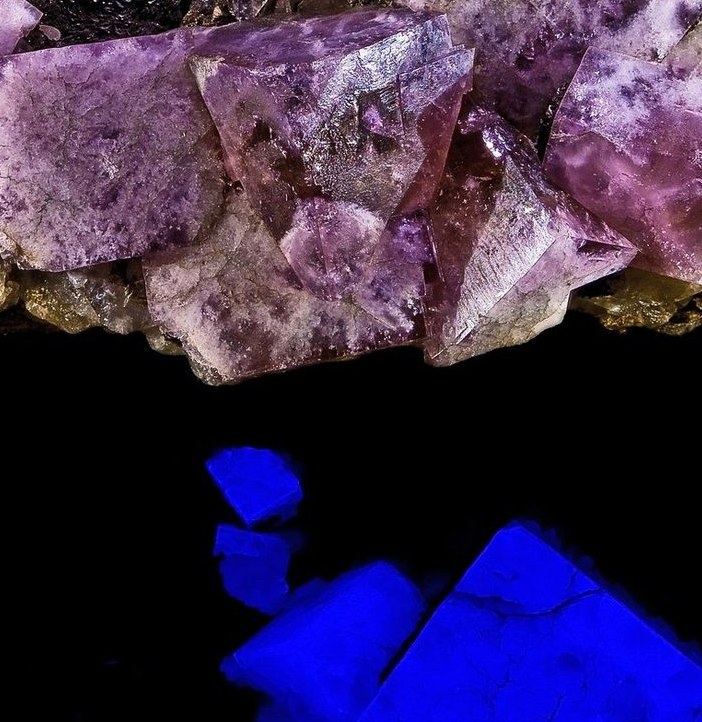
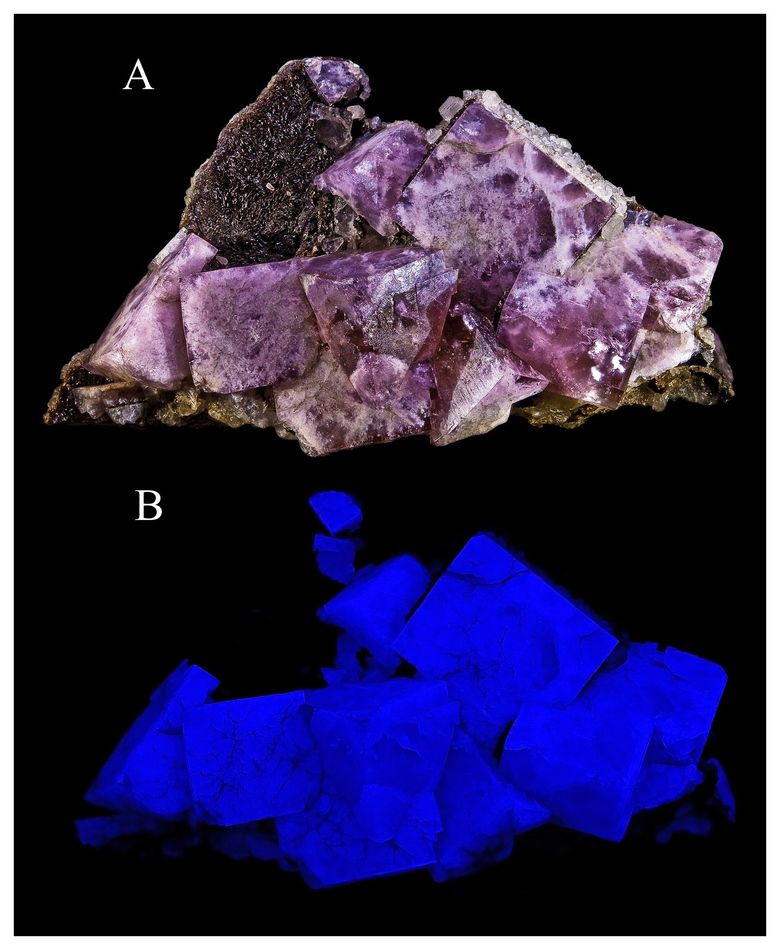
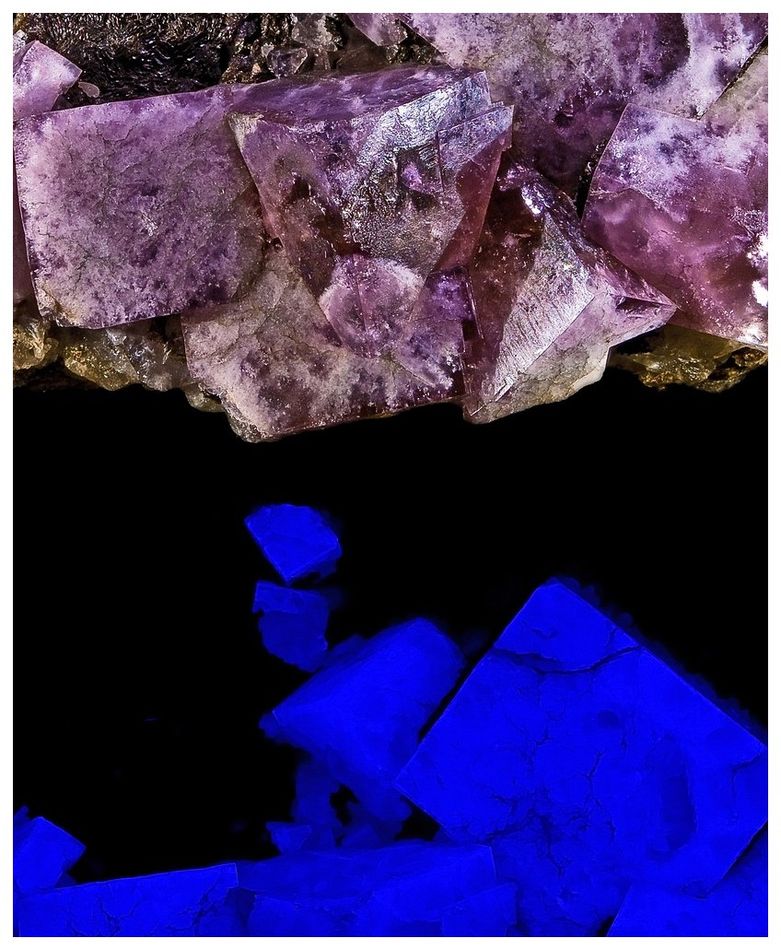
UV/color response detailColor zoning in cubesFrench color detailGreen fluorite detail
Specimen Mining & Pocket Anatomy6
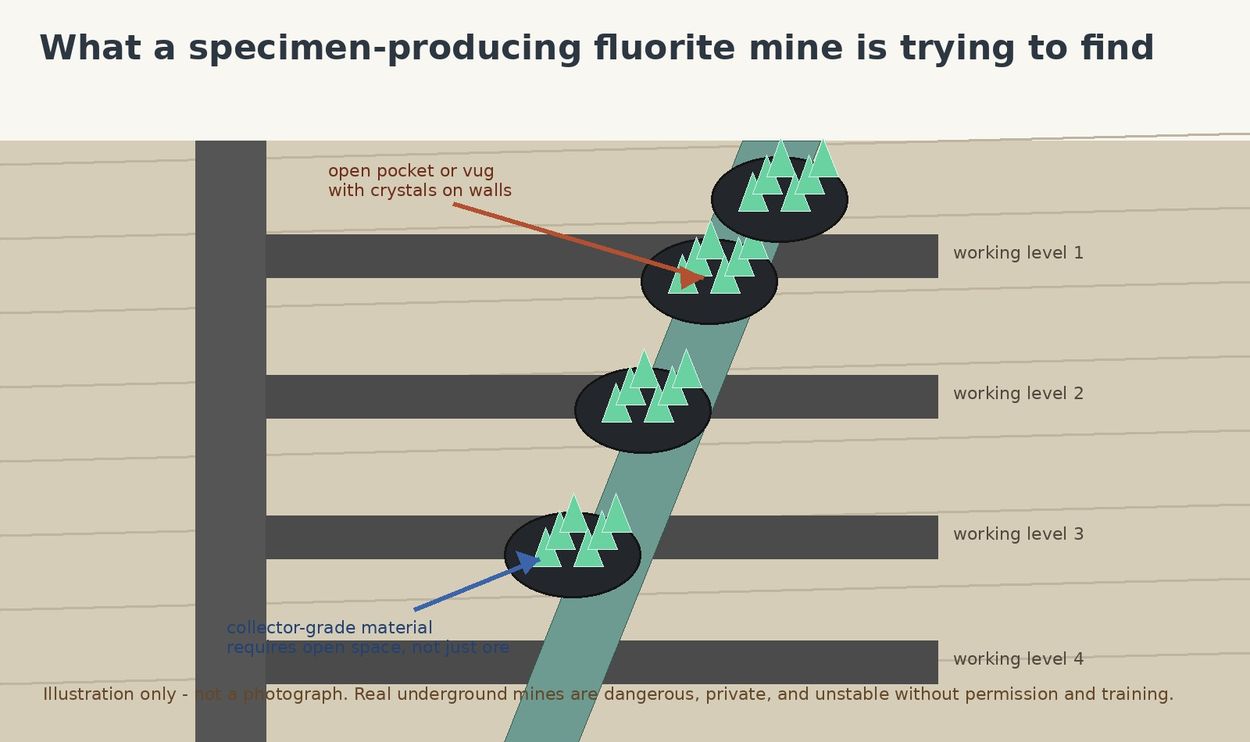
Illustration of an underground vein and open pockets; not a real mine photo.
Specimen mining is slower than ore mining because the goal is to expose pockets without destroying crystal faces. A mining level may cut through massive ore for years before a single world-class pocket appears.
Ore value: tons of fluorite or associated metals.
Specimen value: undamaged faces, transparency, association, and aesthetics.
Best pockets often sit along faults, vein intersections, breccias, or reopened fractures.
Many famous specimens came from industrial mines that were not originally specimen operations.
Pocket clueClay seams and hollow zones can protect crystal faces.
Vein pocketUnderground pocketSpecimen recoveryRecovered color zones
Crystal Shapes: The Fluorite Vocabulary7
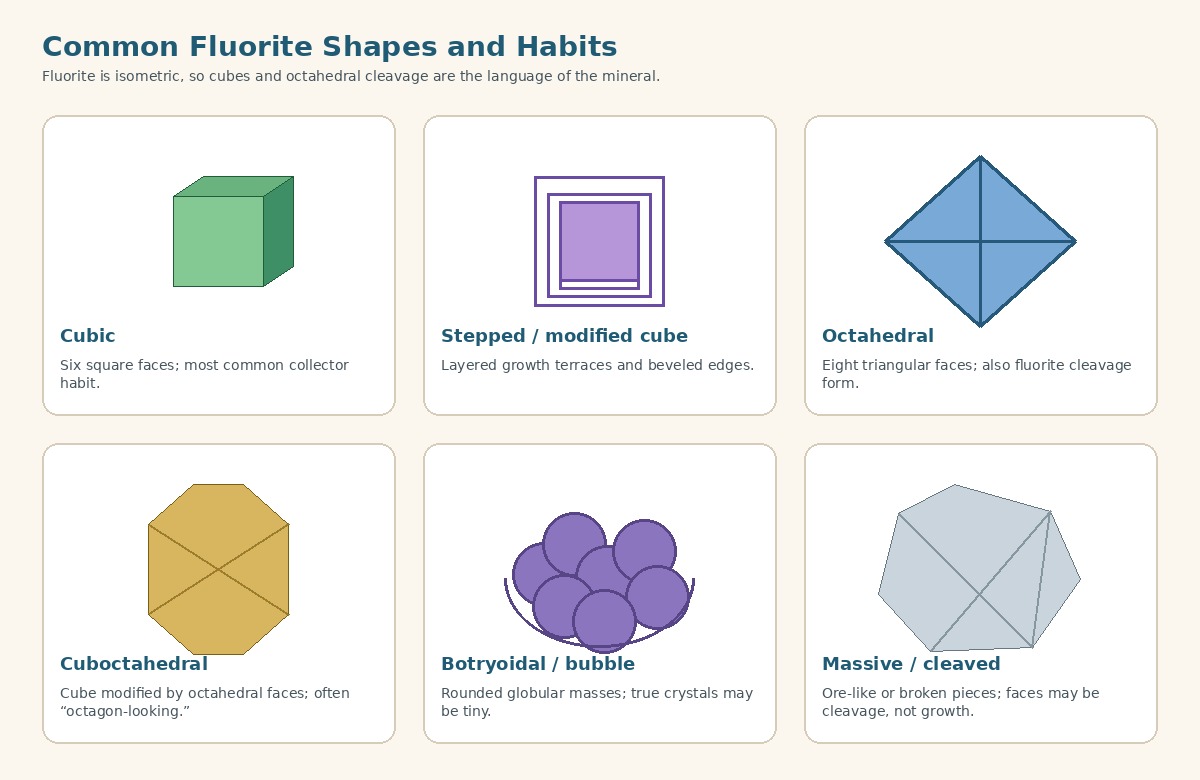
Fluorite belongs to the isometric crystal system, which means its best-known shapes are built from equal axes and high symmetry. In collecting language, this is why people talk about cubes, modified cubes, octahedra, stepped faces, and geometric phantoms.
Common fluorite shapes and habits. “Octagon” is a useful visual nickname, but the proper mineral term is usually octahedral or cuboctahedral.
Shape matters because it records growth conditions. Sharp cubes often grew freely in open pockets. Stepped faces may record pulsed growth. Rounded “bubble” surfaces usually mean botryoidal or globular masses made of many tiny crystals rather than one large cube.
Correct wording“Octagon fluorite” usually points to octahedral or cuboctahedral geometry.
Shape readingHabit records how the crystal grew, broke, dissolved, or was overgrown.
Shape guideCube exampleModified formRounded habit
Cubes, Stepped Cubes & Phantoms8
Cubes are the classic fluorite habit. A good cube has flat faces, crisp edges, and a glassy luster. Many world localities are recognized partly by cube color, matrix, and associations: Weardale green, Illinois purple-yellow zoning, Elmwood purple on sphalerite/dolomite, Asturias blue-violet with baryte, and Okorusu color zoning.
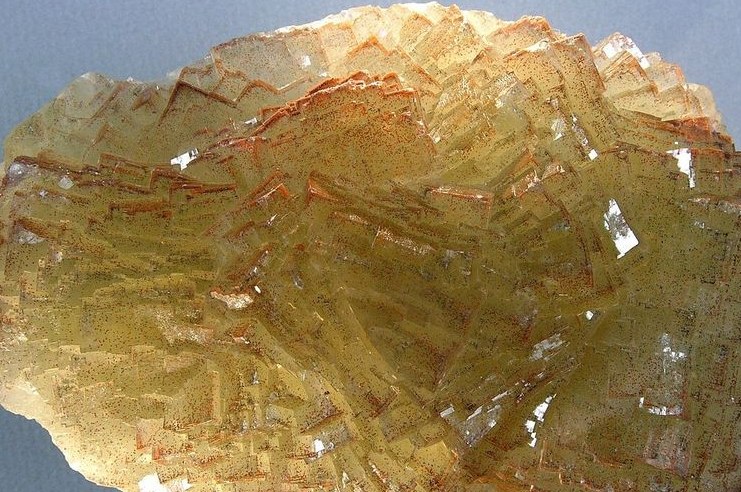
Stepped cubes form when growth advances unevenly across the face. They can look like terraced stairs. This may happen during changes in temperature, fluid chemistry, saturation, or growth speed.
Phantoms are earlier crystal outlines preserved inside later transparent growth. They are especially useful because they prove the crystal grew in multiple stages rather than all at once.
Feature
What to look for
Sharp cube
Flat square faces and clean 90° edges.
Stepped face
Terraces, growth ledges, or stacked smaller cubes.
Phantom
Colored internal outline following the crystal shape.
Zoning
Color bands parallel to faces, corners, or growth layers.
Damage
Cleavage chips, bruised corners, repaired plates, or saw marks.
Collector clue: crisp natural faces usually reflect growth; flat internal-looking breaks often reflect cleavage.
Collector vocabularyTerms like modified cube, beveled edge, stepped face, phantom, and penetration twin describe visible geometry.
What to inspectLook at edge sharpness, face flatness, internal phantoms, chips, repairs, and contact points.
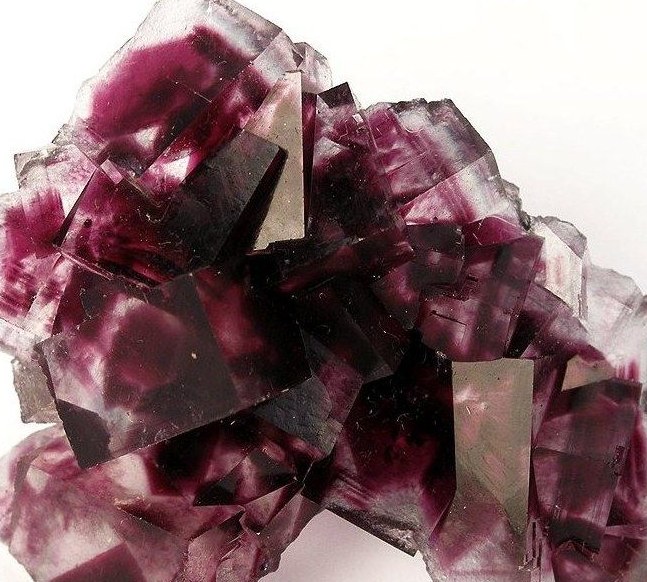
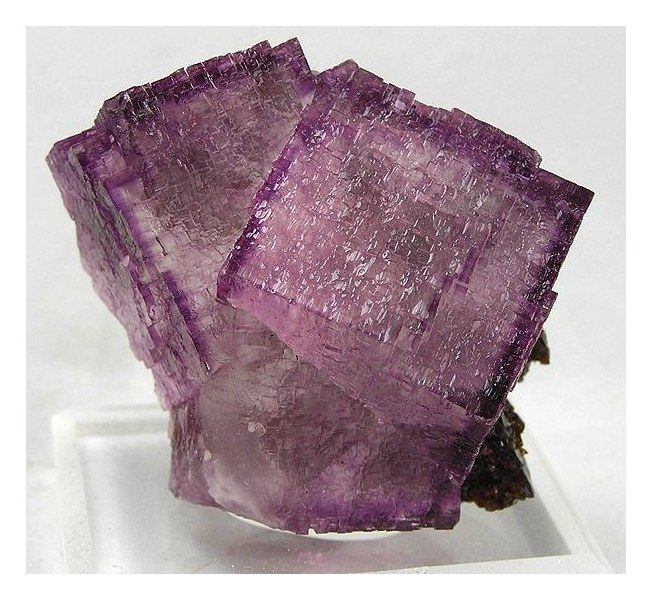
Sharp cubic facesCube face and matrixStepped growth detailInternal color zoning
Octahedral, Cuboctahedral & “Octagon” Forms9
Fluorite has perfect octahedral cleavage. That means a broken piece may naturally split into shapes bounded by triangular faces. Some specimens are true growth octahedra; others are cleaved or etched pieces. The difference matters for both identification and value.
OctahedronEight triangular faces, like two pyramids base-to-base. Fluorite can grow this way, but cleavage can imitate it.
CuboctahedronA modified form combining cube and octahedral faces. From some angles, it can look “octagon-like.”
Dodecahedral modificationsLess common face combinations can bevel corners and edges, making the crystal look more complex.
Etched formsNatural dissolution can round, frost, pit, or sculpt faces after growth.
When someone says “octagon fluorite,” they usually mean a crystal with beveled corners or an octahedral/cuboctahedral outline, not a true two-dimensional octagon. In a collection label, use the more precise term when possible.
Quick test: growth faces tend to be lustrous and consistent with the whole crystal. Cleavage faces can be flat, triangular, and bright but may cut across the original form.
Octahedron vs. cleavageA true octahedral crystal grew that way; a cleaved piece broke along natural octahedral planes.
Easy visual ruleCubes show square faces. Octahedra show triangular faces. Modified forms mix both.
Shape diagram detailModified geometric detailGeometric lusterFace and color detail
Bubble, Botryoidal, Drusy & Massive Fluorite10
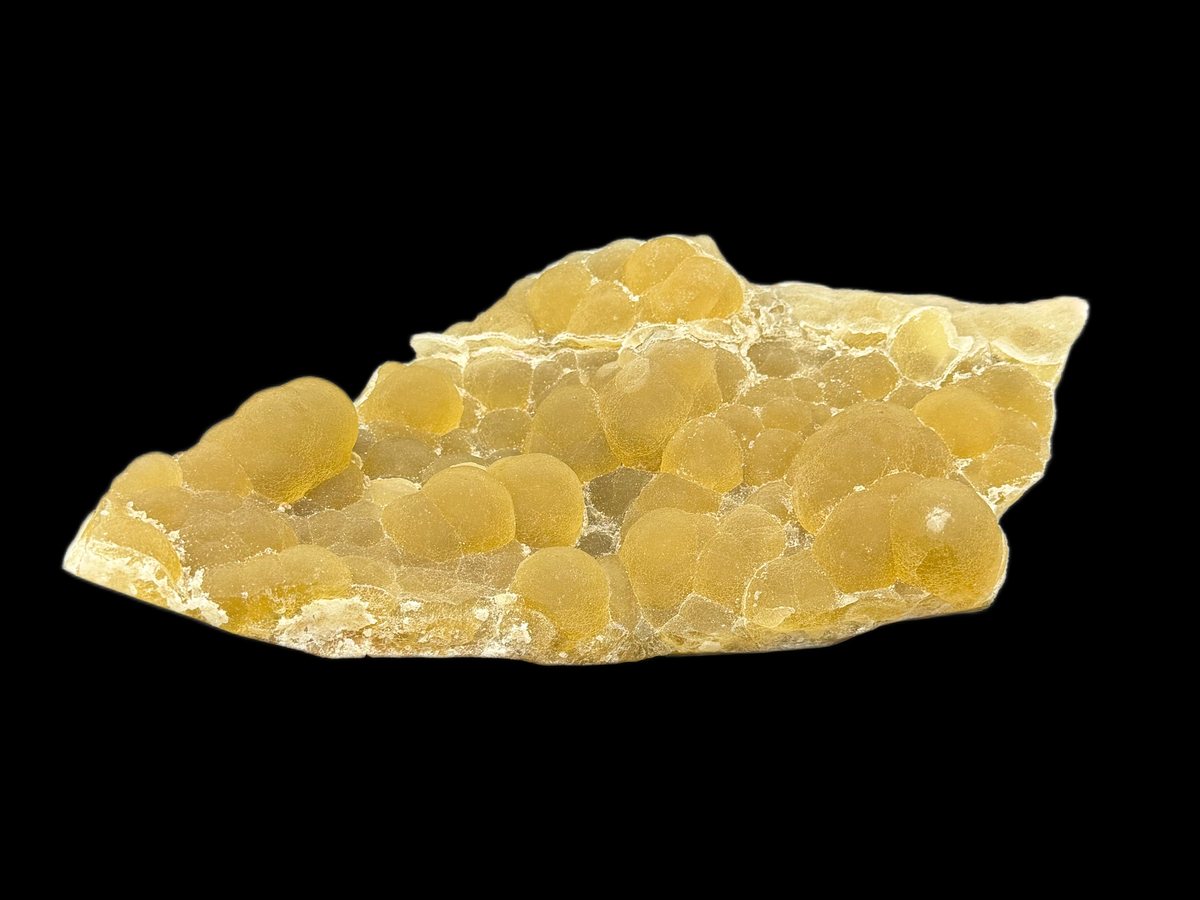
Not all fluorite is a perfect cube. “Bubble fluorite” is a trade-style description for rounded, globular surfaces. The more formal term is often botryoidal when the surface resembles a bunch of grapes. These forms can develop when many tiny crystals grow together over a curved surface or when later growth coats an uneven matrix.
Drusy fluorite is a sparkling crust of small crystals. Massive fluorite has no obvious crystal faces and may represent ore, vein fill, or lapidary material. Cleaved fluorite can show attractive geometric pieces, but those faces are breaks rather than original growth surfaces.
Habit
Simple description
Cubic
Square faces; most familiar collector form.
Octahedral
Eight triangular faces or cleavage form.
Botryoidal / bubble
Rounded globular masses; often many tiny crystals.
Drusy
Coating of small sparkling crystals.
Massive
Compact vein or ore material without clear faces.
Cleaved
Broken along natural planes; geometric but not always grown that way.
Buying tip: a strange shape can be natural, cleaved, etched, polished, or repaired. Ask for locality, treatment history, and photos from several angles.
Bubble fluoriteUsually a visual nickname for rounded botryoidal or globular surfaces.
Drusy fluoriteA sparkly crust of many tiny crystals, often covering matrix or earlier mineral growth.
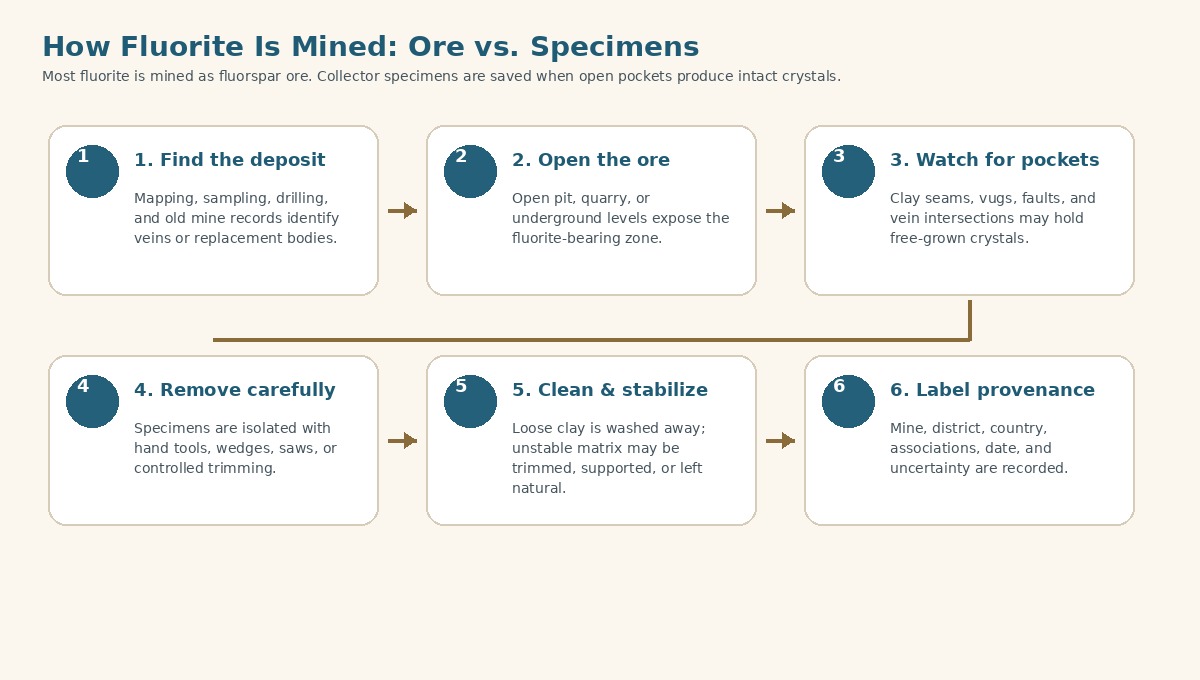
Fluorite ore is mined as fluorspar, a source of fluorine used in metallurgy, chemicals, ceramics, and specialty applications. Collector specimens are a small part of the story. Many beautiful crystals were rescued from mines whose main goal was industrial production, zinc, lead, silver, or polymetallic ore.
Ore mining moves material efficiently; specimen recovery slows down to preserve crystal faces and matrix.
The same mine can produce both massive ore and display specimens. The difference is open space: a vein packed solid with fluorite is ore, while a clay-lined vug or pocket can preserve freestanding crystals.
Industrial nameFluorite ore is commonly called fluorspar.
Specimen nameCollectors usually describe habit, color, matrix, mine, and associations.
Mining flowOre and pocketSpecimen colorMatrix specimen
Underground Mining & Pocket Recovery12
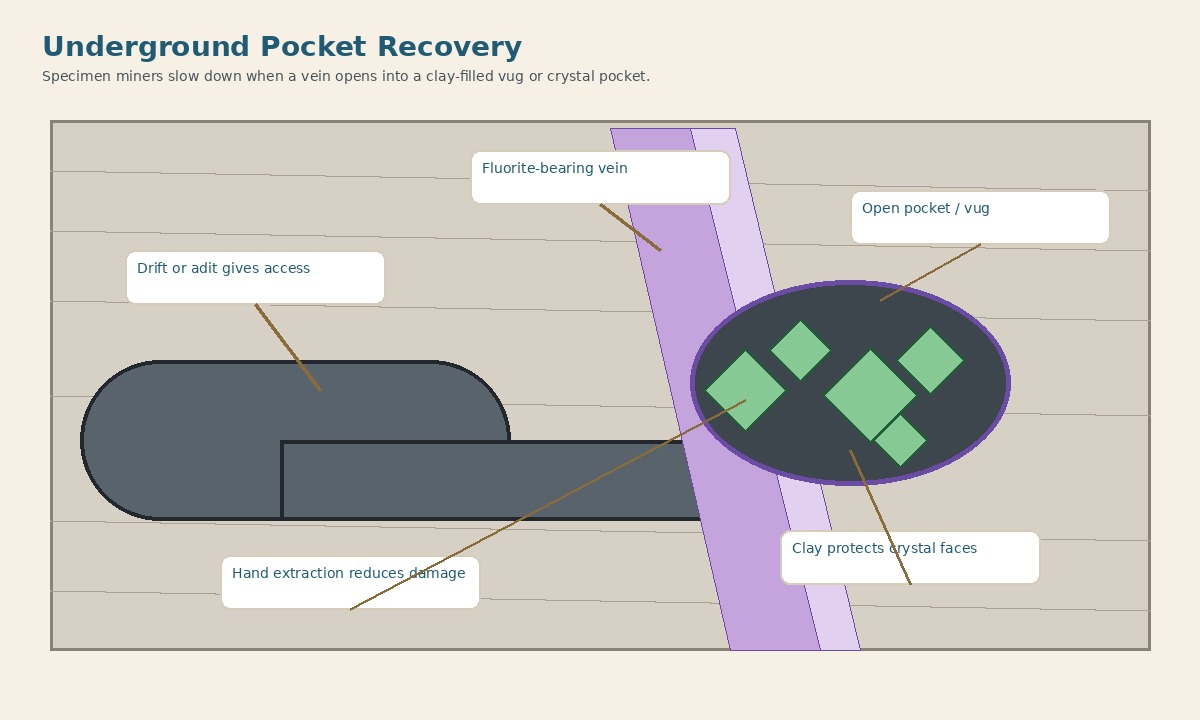
Underground pocket model. Diagram created for this guide; it is not a photograph of a specific mine.
In underground mines, workers follow veins, replacements, breccias, or ore zones through drifts and stopes. A specimen pocket may appear as a clay seam, a hollow zone, a fault opening, or a vug lined with crystals.
Specimen recovery is careful work. Miners may remove loose clay by hand, undercut matrix, support fragile plates, and trim surrounding rock so a specimen can be extracted without snapping cubes from the base.
Best pockets may be small, irregular, and easy to miss.
Clay can protect crystal faces from abrasion.
Heavy blasting can destroy a pocket before anyone sees it.
Professional specimen miners balance safety, time, and preservation.
Underground challengeGood pockets may be hidden behind clay, rubble, or massive ore.
Damage riskBlasting, trimming, and cleaning can all reduce specimen quality.
Some fluorspar deposits are mined in open pits or quarries, especially when ore lies near the surface. Open-pit work can expose broad zones quickly, but it may be harder to preserve delicate pockets because equipment is large and material moves fast.
Mining style
What it is
Specimen impact
Underground vein mining
Drifts, shafts, stopes, or adits follow mineralized zones.
Good pockets may be recoverable if workers slow down.
Open pit / quarry
Benches remove surface-accessible ore bodies.
More exposure, but heavy equipment can damage crystals.
Reworking dumps
Collectors or operators search old waste rock.
Useful for study pieces; crystals may be weathered or broken.
Ore processing
Crushing, grinding, sorting, and concentration separate fluorite.
Great for industry, destructive for specimens.
After extraction, specimens may be washed, trimmed, stabilized, photographed, and labeled. A professional specimen should keep its story: mine, level or pocket if known, date, associated minerals, and any repairs or cleaning.
Safety and ethics: never enter abandoned mines or collect on private/closed land without permission. Unstable ground, bad air, hidden shafts, flooding, and legal restrictions are serious hazards.
Specimen first aidKeep pocket mud until you know what it protects; aggressive cleaning can ruin luster.
Mine labels matterLevel, stope, vein, pocket date, and associated minerals can make an ordinary label valuable.
Mining-to-label flowPocket recovery modelVein and pocket diagramFluid pathway model
United Kingdom: Weardale & Derbyshire14
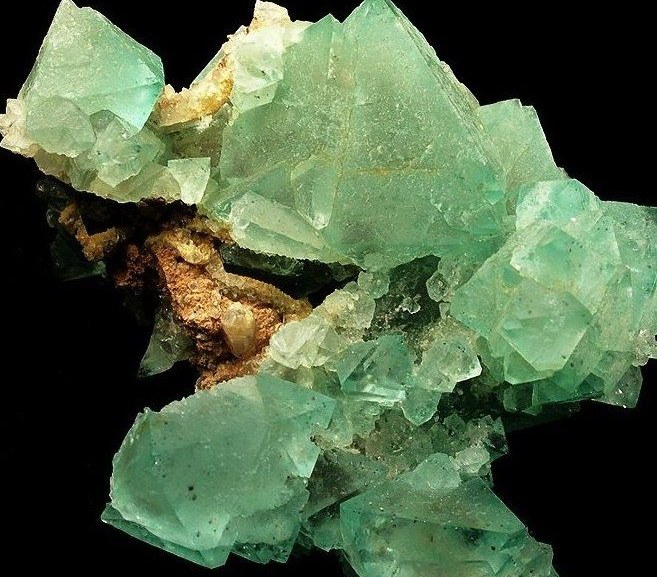
England is a cornerstone of fluorite collecting. Weardale in County Durham is famous for green and purple cubic fluorite, especially daylight-fluorescent material from Rogerley and modern UK Mining Ventures localities. Derbyshire adds Blue John, a banded ornamental fluorite mined around Castleton.
Rogerley Mine fluorite, Weardale: green cubes on matrix.Rogerley detail: cube faces, zoning, and luster.Boltsburn Mine fluorite: classic Weardale color and UV behavior.Boltsburn detail: color and fluorescence response.
Rogerley was found in an abandoned nineteenth-century quarry in the early 1970s; modern specimen operations have been documented from the Cumbria Mining and Mineral Company period and later UKMV activity.
Weardale eyeLook for green cubes, purple zoning, daylight fluorescence, and classic old labels.
Derbyshire eyeBlue John is banded ornamental fluorite rather than typical cubic pocket fluorite.
Inside Blue John Cavern: in-situ Blue John fluorite veins. Public domain, Marcin Floryan.Treak Cliff Cavern Blue John pillar. Public domain, Dave Pape.
Locality hierarchyCountry → region → mine → level/vein/pocket is the ideal order.
Status noteSome classic mines are historic sources, while a few modern operations are specimen-focused.
The United States has two classic fluorite identities. The Illinois-Kentucky Fluorspar District was an industrial powerhouse and produced purple, blue, yellow, and zoned cubes. The Elmwood-Carthage district of Tennessee produced some of the most recognizable purple cubes on sphalerite, dolomite, calcite, and barite.
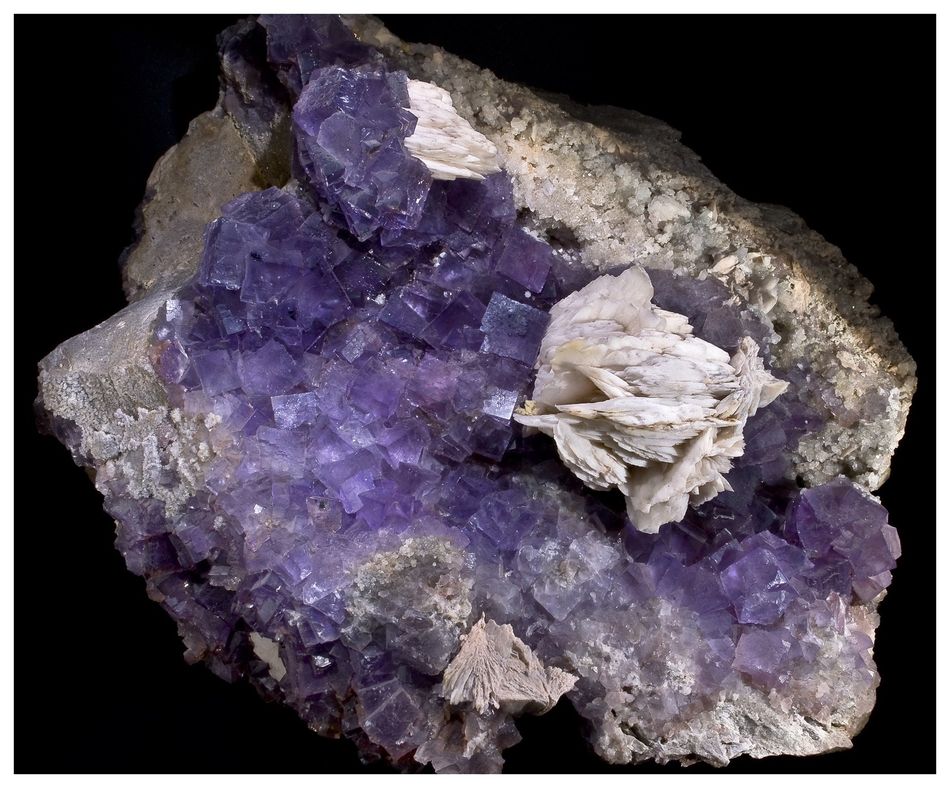
Elmwood Mine fluorite, Tennessee: purple cubes on sulfide-carbonate matrix.Elmwood detail: sharp purple faces and dark sphalerite association.Illinois-Kentucky district fluorite: color-zoned cubic habit.Illinois detail: stepped zones and color transitions.
American labels should be read carefully: mine name, county, district, and associated minerals often matter more than color.
American classicsIllinois-Kentucky and Tennessee are two of the strongest U.S. fluorite collecting stories.
Matrix clueSphalerite, calcite, dolomite, and barite associations can be just as important as color.
Historic district mine; most specimen production is past.
Denton Mine
Hardin Co., Illinois
Color-zoned cubes with barite/calcite
Historic fluorspar mine with high-quality cabinets.
Cave-in-Rock district
Southern Illinois
Large plates; purple/blue/yellow fluorite
Historic industrial district; many workings inactive/reclaimed.
Elmwood Mine
Smith Co., Tennessee
Purple cubes on sphalerite, dolomite, calcite, barite
Zinc mine famous for specimens recovered during operations.
Blanchard and western veins
New Mexico/western USA
Purple, blue, green fluorite veins
Regional collectors; access and output vary.
Collector clue: Illinois-Kentucky pieces often show barite and color zoning; Elmwood pieces often combine purple cubes with brown sphalerite and pale dolomite/calcite.
The United States is also important for industrial fluorspar history, but not every fluorspar deposit produced cabinet-grade crystals.
U.S. comparisonIllinois-Kentucky pieces often emphasize purple/yellow zoning; Tennessee pieces often pair fluorite with sphalerite, calcite, and dolomite.
Label checkOlder mine names, county names, and district names can all appear on legitimate labels.
Elmwood full specimenElmwood detailMinerva full specimenMinerva color detail
Mexico: Naica, Chihuahua & Ojuela18
Mexico combines world-famous mining districts with distinct fluorite styles. Naica, in Chihuahua, is known to collectors for pale green to clear fluorite with calcite, galena, sphalerite, and complex modified faces. The district is also famous for giant gypsum caves, useful as a dramatic example of long-lived hot mineral fluids in open cavities.
Naica Mine fluorite: pale green clarity and complex faces.Naica detail: modified faces and transparent interiors.Inside Naica: giant gypsum crystals, not fluorite, but a key formation-context cave photo. CC BY 3.0, Alexander Van Driessche.
Ojuela and Mapimi add a polymetallic collector tradition where fluorite may appear with colorful oxidized minerals.
Mexico clueNaica and Ojuela are polymetallic stories; check associated minerals, not just color.
Pocket clueHydrothermal systems can create both ore and attractive display crystals.
Naica specimenNaica lusterNaica detailFluid model
Mexico: Locality Notes19
Locality
Region
Specimen signature
Status / history
Naica Mine
Saucillo, Chihuahua
Pale green to clear fluorite with calcite, galena, sphalerite; complex faces
Historic/modern Pb-Zn-Ag mine; old workings consolidated under Naica name.
Cave of the Swords
Naica Mine
Gypsum crystal cave, not fluorite
Discovered in 1910; formation context for crystal growth in open space.
Cave of the Crystals
Naica Mine
Giant gypsum crystals; not fluorite
Discovered in 2000; dangerous heat/humidity when exposed.
Ojuela Mine
Mapimi, Durango
Fluorite as accessory with oxidized minerals
Historic polymetallic mine and classic specimen district.
Chihuahua regional mines
Northern Mexico
Fluorite with calcite/barite/sulfides
Mine-by-mine status varies; district labels are common.
Naica ID: pale green transparency + modified/cuboctahedral faces + sulfide/carbonate matrix is stronger than color alone.
Naica contextNaica is best known as a polymetallic mining district; fluorite is part of a broader hydrothermal story.
Ojuela contextOjuela specimens may be collected with a wide range of secondary minerals and sulfides.
Naica-style specimenLuster close-upDetail viewHydrothermal model
China: Hunan, Guizhou & Inner Mongolia20
China is one of the dominant sources of modern fluorite specimens. Hunan produces fluorite in complex magmatic-hydrothermal and polymetallic systems; Guizhou localities such as Banpo add dramatic fluorite-stibnite combinations; Inner Mongolia and other regions produce blue, purple, and trade-named materials.
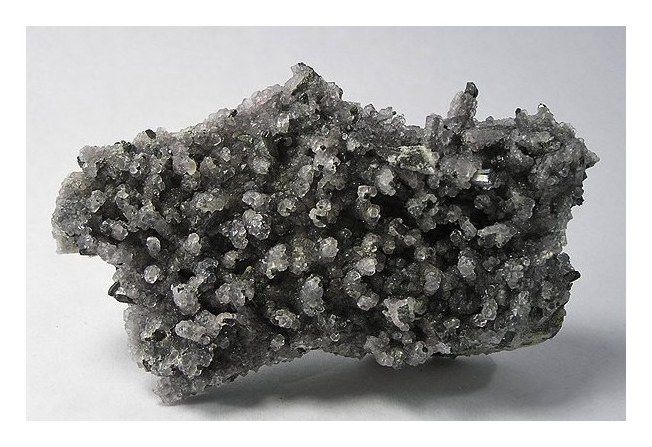
Banpo Mine, Guizhou: fluorite with stibnite.Banpo detail: fluorite contrasting with metallic stibnite.
Chinese specimens can resemble English, Spanish, African, or North American fluorite by color. Associations and exact mine labels are essential: quartz, stibnite, sulfides, tungsten-tin minerals, calcite, and matrix are often the best clues.
China clueProvince-only labels are common; mine-level labels are stronger.
Specimen cluePurple, green, and multicolor cubes can occur across several Chinese provinces.
Banpo full viewBanpo detailCube close-upZoning comparison
China: Locality Notes21
Locality
Province / region
Specimen signature
Status / history
Yaogangxian Mine
Hunan
Fluorite with quartz, sulfides, W-Sn-polymetallic associations
Major active/historic polymetallic district with specimen production over multiple periods.
Xianghualing / Xianghuapu
Hunan
Green and purple fluorite with quartz/calcite/sulfides
Important modern specimen area; individual mine status varies.
Banpo Mine
Guizhou
Fluorite with stibnite; gray/purple crystals with metallic contrast
Polymetallic hydrothermal locality known in specimen trade.
Exact mine data is critical; broad trade terms can obscure provenance.
Labeling tip: record mine, county, prefecture, province, and associations whenever possible. “China fluorite” is too broad for a serious collection label.
China collecting noteChinese fluorite ranges from purple cubes and green cubes to colorful combinations with quartz, calcite, stibnite, and other minerals.
Dealer-label cautionLarge regions may be simplified on commercial labels; province, county, mine, and pocket data are stronger.
Banpo-style full viewChinese cube detailColor zoning close-upCubic structure reminder
Spain: Asturias Fluorite22
Asturias is Spain’s fluorite heartland. Berbes, La Viesca, Moscona, and La Collada produced blue, violet, yellow, and zoned fluorite, often with baryte, quartz, calcite, and sulfides. Spanish fluorite often has a watery, glassy look with phantoms and crisp cubic faces.
Berbes fluorite with baryte, Asturias.Berbes detail: blue-violet zoning and baryte association.
Asturian deposits are typically hydrothermal vein and replacement systems. Repeated fluid pulses produced phantoms and zoning; open pockets produced the best collector faces.
Spanish clueBerbes pieces often show glossy, well-formed cubes with blue-purple tones.
Comparison clueEuropean fluorites can overlap visually; locality labels matter.
Major modern-classic locality; access/status changed over time.
Moscona Mine
Corvera de Asturias
Yellow to blue fluorite with baryte/calcite
Important Asturian fluorspar mine and specimen producer.
La Collada
Asturias
Purple/blue fluorite, quartz, baryte
Classic locality; exact mine labels vary on older pieces.
Spanish clue: blue-violet cubes plus baryte/quartz and phantoms often point toward Asturias, but old labels are still the best evidence.
Asturias styleBerbes and nearby districts are admired for glossy cubes, often purple-blue, with strong edge definition.
Compare carefullySpanish fluorite can resemble material from other European localities unless matrix and label history are preserved.
Berbes full viewBerbes color detailFace close-upZoning comparison
France: Valzergues, Le Beix & Alpine Pink24
France has two fluorite worlds: mine fluorite and Alpine fissure fluorite. Valzergues is associated with yellow to honey-yellow cubes. Le Beix is a classic purple fluorite source. Alpine fissures in the Mont Blanc region are prized for delicate pink fluorite with quartz and adularia.
Valzergues fluorite, Aveyron: warm yellow cubic habit.Valzergues detail: honey color and stepped growth.
French identification often begins with color but should end with associations: Alpine pieces tend to show quartz/adularia and delicate fissure aesthetics, while mine pieces show vein textures and mine labels.
French clueFrance includes both classic mine fluorite and alpine-type pink material.
Collector clueOld collection labels can preserve information from mines that no longer produce specimens.
French specimenFrench detailColor close-upShape comparison
France: Locality Notes25
Locality
Region
Specimen signature
Status / history
Valzergues Mine
Aveyron
Yellow to honey fluorite cubes and groups
Historic small mine; exact status details are source-dependent.
Le Beix Mine
Puy-de-Dome
Purple fluorite cubes; classic collection material
Historic fluorite mine; old collection specimens common.
Mont Blanc / Alpine fissures
French Alps
Pink fluorite with quartz/adularia
Fissure-collected material; rules and access are highly local.
Fontsante and other districts
Var and elsewhere
Purple, green, yellow fluorite from hydrothermal veins
Important regional sources with variable specimen output.
Care note: Alpine fluorites can be delicate, small, and valuable. Avoid cleaning methods that risk cleavage or thermal shock.
French varietyFrance includes classic vein fluorite, former mining districts, and alpine-style pink octahedral material.
History noteMany European specimen localities are historical; today’s best examples often come from old collections.
Valzergues full viewFrench color detailDetail viewShape reference
Germany: Woelsendorf & Clara Tradition26
Germany’s fluorite story is deep and historic. The Woelsendorf district in Bavaria has mining roots reported as fifteenth century or earlier, first for lead and later for fluorite. The last mine in that district, Hermine, is commonly noted as closing in 1987. The Clara Mine in the Black Forest adds a continuing collector tradition with fluorite among a broad suite of minerals.
Woelsendorf fluorite, Bavaria: classic German fluorite district material.Woelsendorf detail: color, luster, and crystal faces.
German clueGerman fluorite often carries strong district history and old-label value.
Comparison clueModified forms and associated barite/quartz/calcite can help refine locality.
German specimenGerman detailModified faceFrench comparison
Germany: Locality Notes27
Locality
Region
Specimen signature
Status / history
Woelsendorf district
Bavaria
Yellow, honey, brown, purple, zoned fluorite
Mining began in 15th century or earlier; last mine Hermine closed in 1987.
Hermine Mine
Woelsendorf district
Classic district fluorite and ore minerals
Last mine of the district; closed 1987.
Clara Mine
Black Forest
Fluorite with barite, quartz, sulfides
Long collector tradition; controlled collecting/dump availability varies.
German labels: old labels may name a shaft, mine, district, or village. Do not collapse them into a generic country label if better data exists.
German traditionGermany has a long collecting culture, with fluorite tied to mining history, old labels, and district-level provenance.
What to noticeModified forms, color zoning, and associations with quartz, barite, calcite, and sulfides can help narrow locality.
Woelsendorf full viewGerman detail viewFace close-upZoning comparison
Africa: Namibia & South Africa28
Okorusu in Namibia produced abundant collector fluorite, famous for green, purple, yellow, and color-zoned crystals. Riemvasmaak in South Africa is a modern favorite for bright green fluorite, often showing stepped cubes and strong color.
Okorusu Mine, Namibia: color-zoned fluorite.Okorusu detail: zoning and cubic surfaces.Riemvasmaak fluorite, Northern Cape, South Africa.Riemvasmaak detail: bright green fluorite and crystal form.
African fluorites can overlap visually with English, Chinese, Canadian, or Spanish green fluorite. Matrix, exact mine name, and associations remain essential.
Africa clueOkorusu and Riemvasmaak are visually distinct stories from different deposit settings.
Label clueCountry alone is not enough; mine and district names matter for specimen value.
Green, purple, yellow, zoned cubes; sometimes large plates
Major fluorite mine and prolific specimen source; production/status varied over time.
Riemvasmaak
Northern Cape, South Africa
Bright green cubes and stepped forms
Modern classic locality; access is locality-specific.
El Hammam Mine
Morocco
Green/purple/colorless fluorite with calcite and pyrite
Morocco’s principal fluorite mine in many references; recent status should be verified.
Aouli / Mibladen districts
Morocco
Fluorite in polymetallic settings
Better known for other species, but fluorite can occur.
Green fluorite caution: green is not enough for a locality. Okorusu, Riemvasmaak, Rogerley, Canada, China, and many others can all be green.
African contrastNamibia’s Okorusu material often differs strongly from South Africa’s Riemvasmaak green cubes.
Specimen valueColor, brightness, matrix, and damage control are important, but accurate locality names are just as important.
Okorusu full viewOkorusu detailRiemvasmaak full viewRiemvasmaak detail
Canada, Russia, Morocco & Beyond30
Canada is known for the Madoc area of Ontario and the Rock Candy Mine in British Columbia, especially apple-green to emerald-green fluorite and barite associations. Russia is strongest in collector memory through Dalnegorsk, where colorless to pale “ice cube” fluorite appears with a broad polymetallic suite.
Morocco is represented strongly by El Hammam, a major North African fluorite locality with green, purple, colorless, calcite, and pyrite combinations. Italy, Switzerland, Pakistan, Peru, Argentina, and other countries add regional fluorite identities that may be less common in beginner collections but important globally.
Country
Collector identity
Canada
Madoc green fluorite; Rock Candy apple-green cubes/octahedra.
Russia
Dalnegorsk colorless to pale fluorite with quartz, calcite, sulfides, and skarn minerals.
Morocco
El Hammam green/purple/colorless fluorite with calcite or pyrite.
Switzerland
Alpine fissure pink or zoned fluorite with quartz/adularia.
Global reading strategyTreat each locality as a story: deposit type, mine history, crystal habit, and associated minerals.
Common mistakeDo not force a locality from color alone; fluorite is too variable for that shortcut.
United KingdomUnited StatesSpainNamibia
Global Quick Table31
Country
Representative localities
Collector notes
Canada
Madoc; Rock Candy Mine
Green fluorite with barite; apple-green octahedra/cubes; old labels important.
Green/purple/colorless fluorite with calcite and pyrite.
Italy
Zogno/Camissinone; Sardinia
Purple to colorless fluorite in veins and Alpine-style contexts.
Switzerland
Alpine fissures
Pink and color-zoned fluorite with quartz/adularia.
Pakistan
Balochistan, Khyber Pakhtunkhwa, northern areas
Green, purple, multicolored fluorite; locality data often variable.
Peru
Polymetallic ore districts
Fluorite with quartz, pyrite, sphalerite, galena, barite.
Argentina
Patagonia and vein districts
Color-zoned fluorite, some lapidary/collector material.
Best practice: a good label records country, province/state, district, mine/locality, associated minerals, date/source if known, and any uncertainty.
Quick table useUse this as a starting point, then confirm against matrix, label, and detailed locality descriptions.
Best next stepPhotograph your specimen from the front, side, back, and under light/UV before comparing examples.
Color zonesCube growthLusterModified faces
Jason Souza Collector Photo Plates32
This collector-photo section uses Jason Souza specimen photos and label metadata. The images are compressed and cropped for web viewing, then arranged as dense plates so the open-book layout stays full instead of leaving large blank areas.
Photo credit: collector photos in this section are credited to Jason Souza.
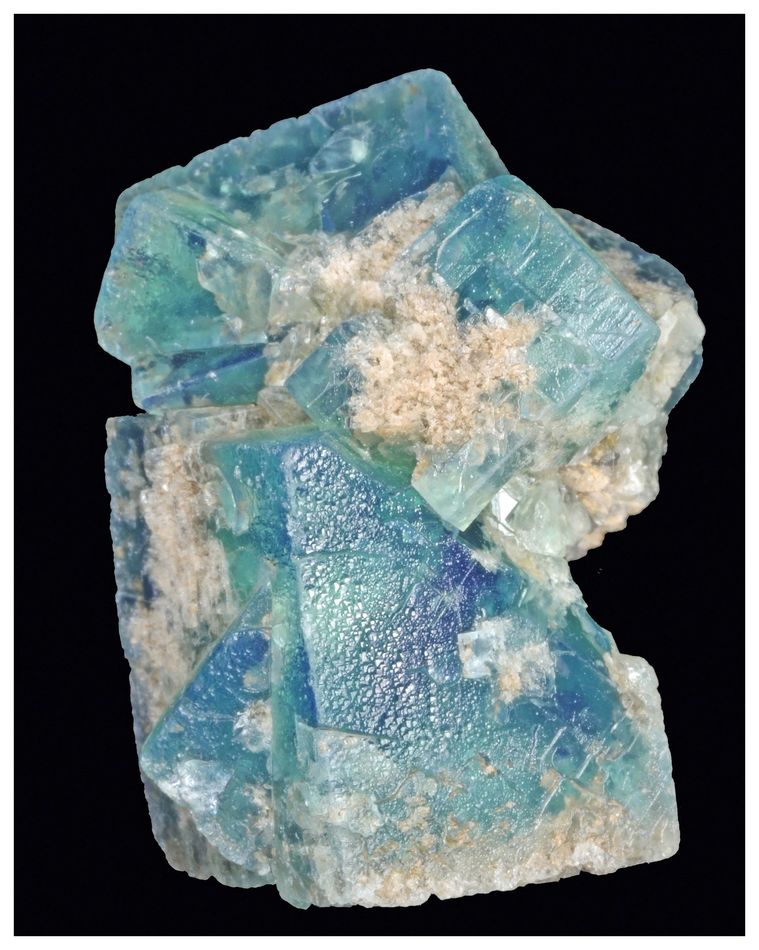
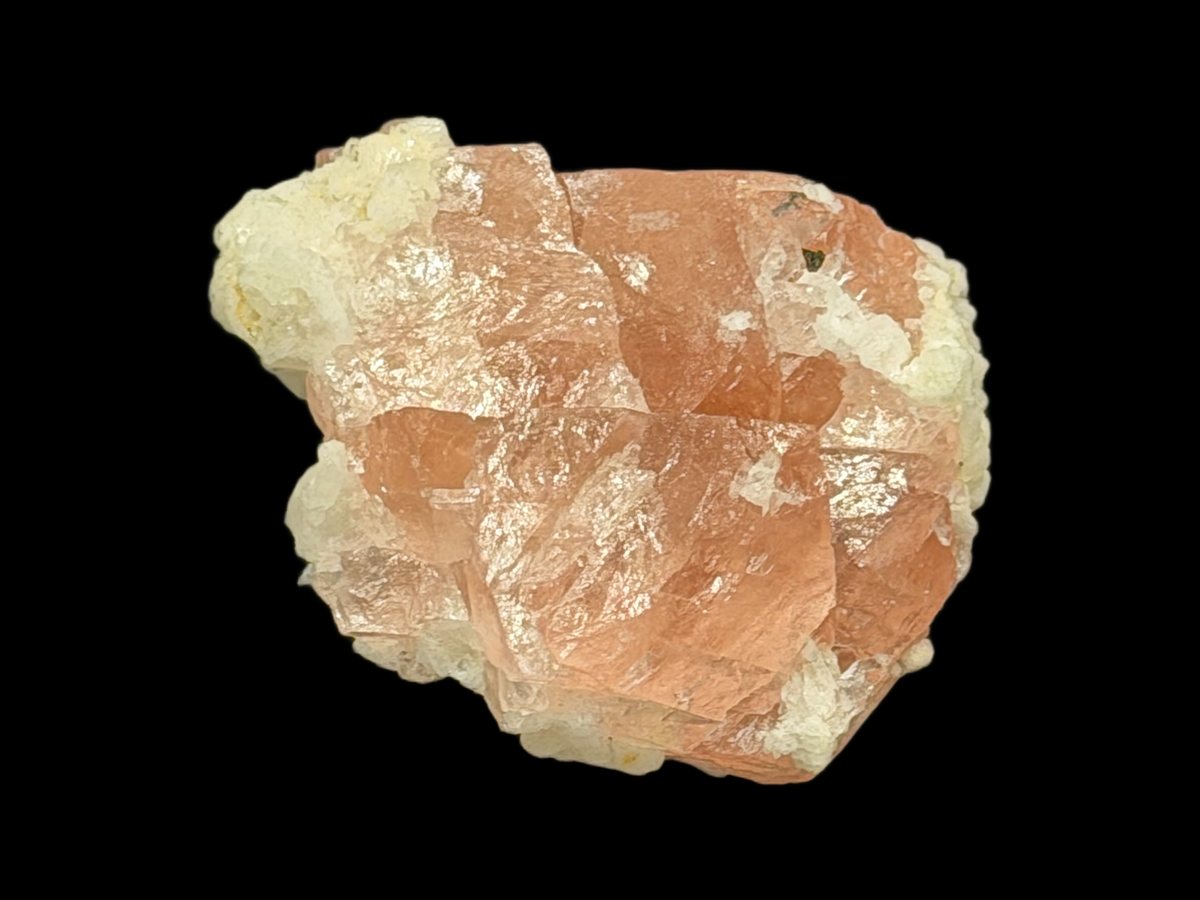
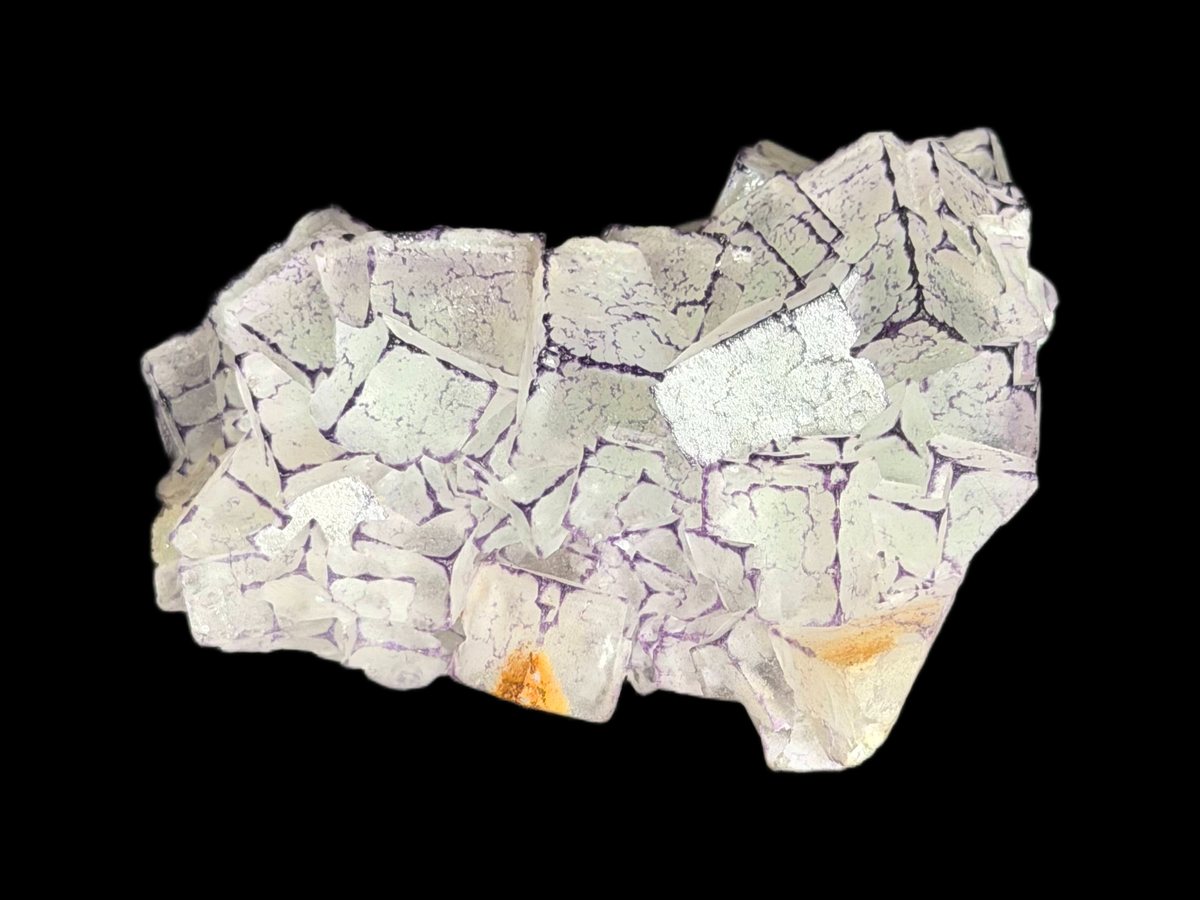
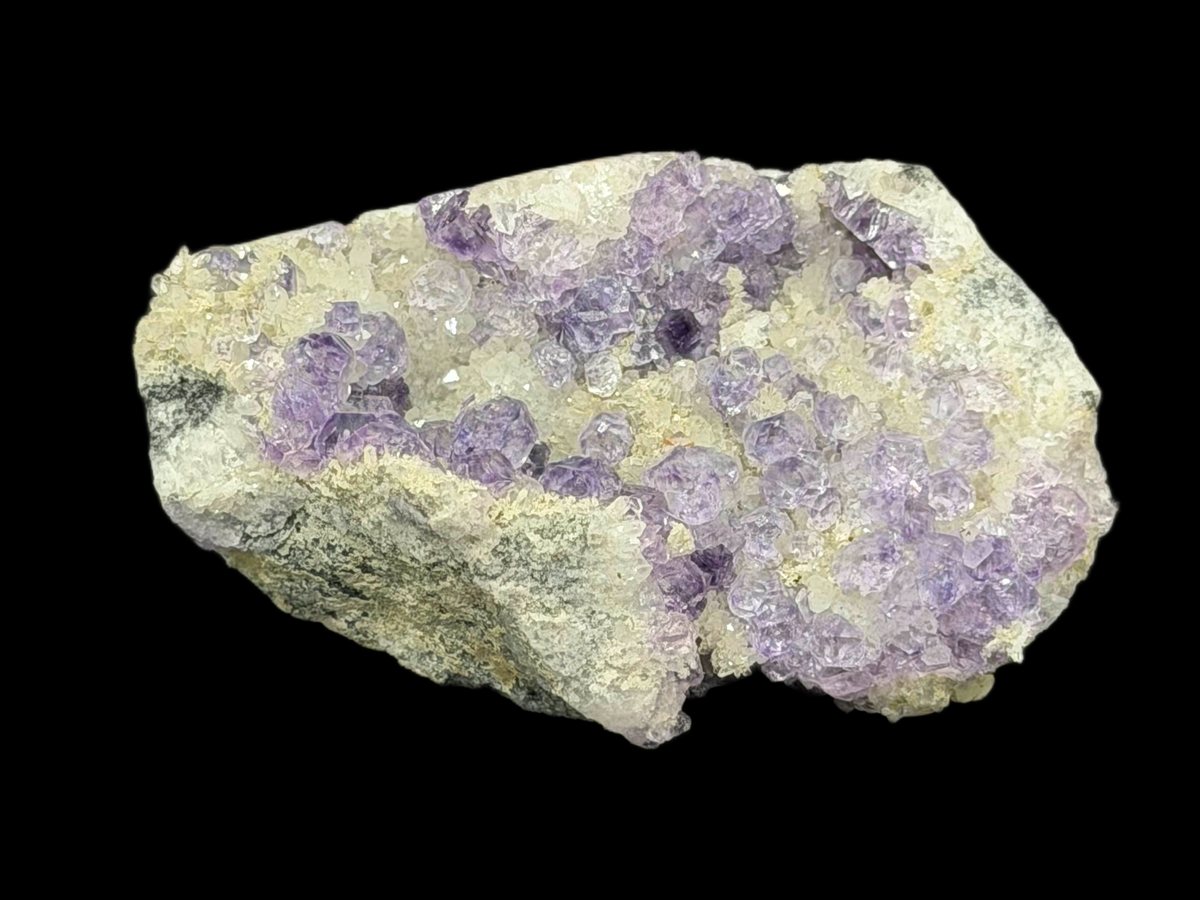
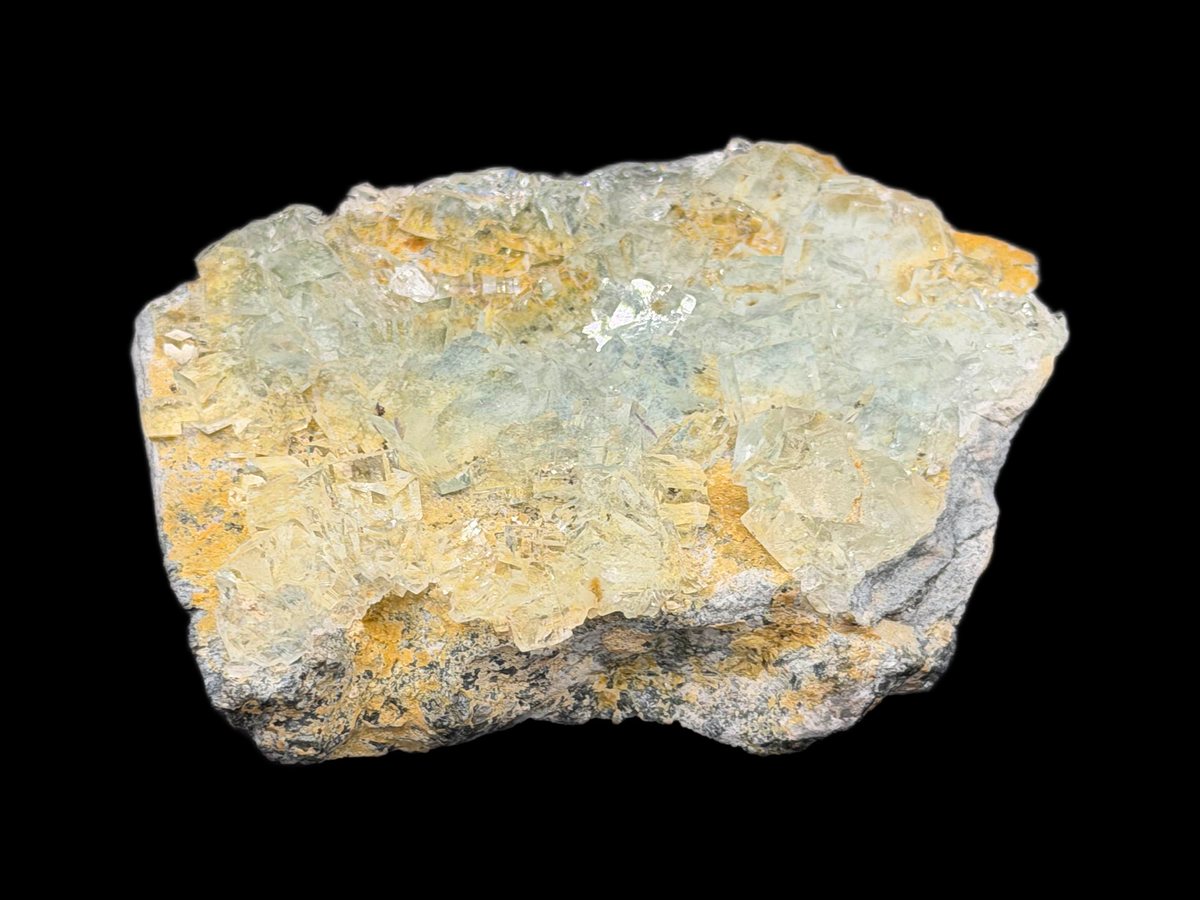
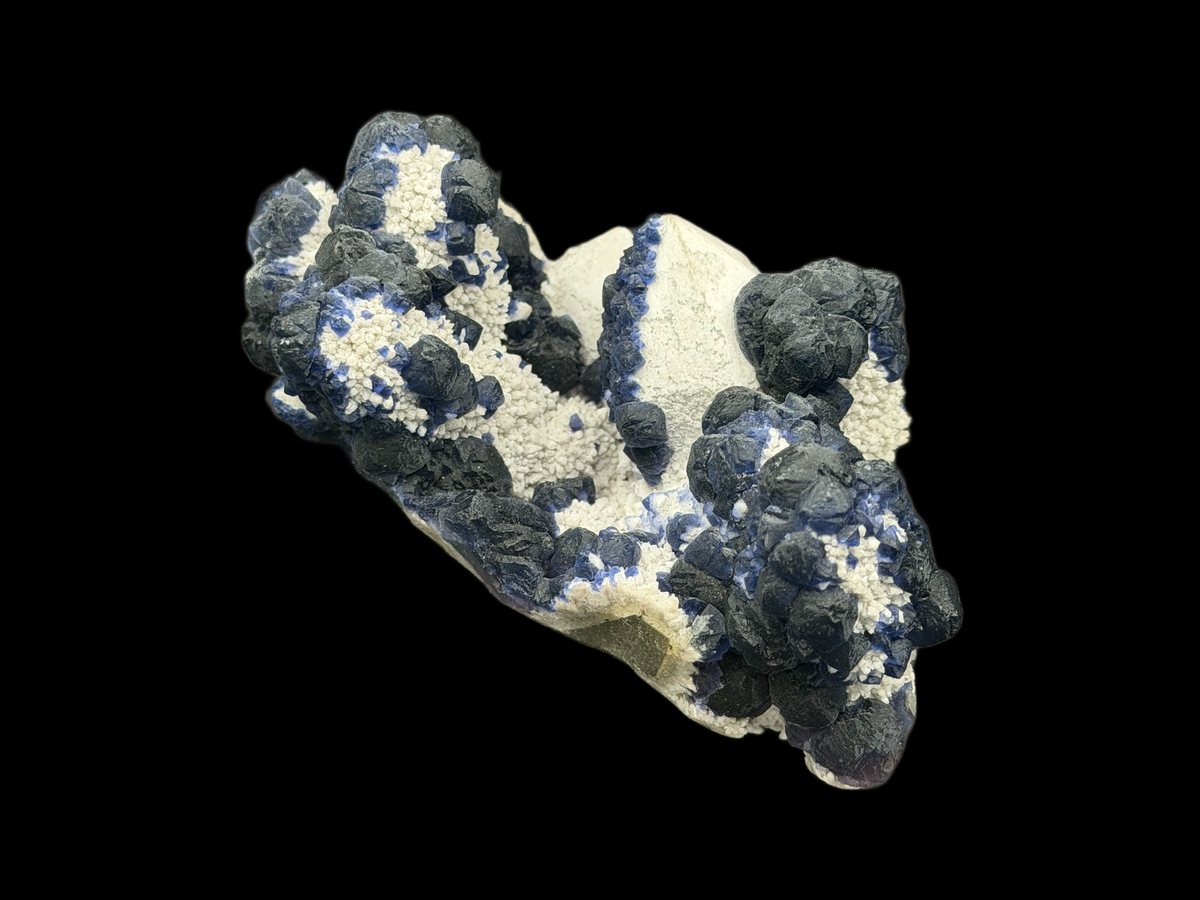
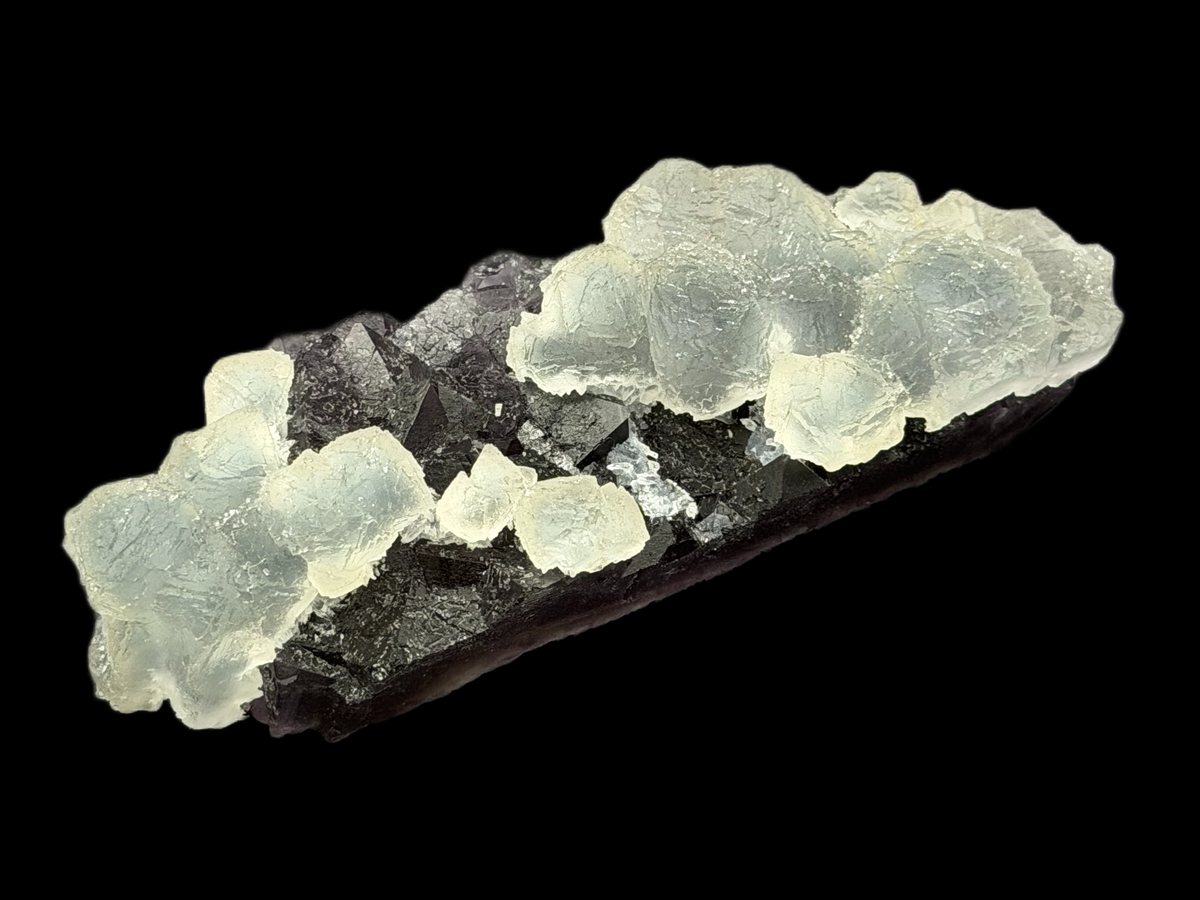
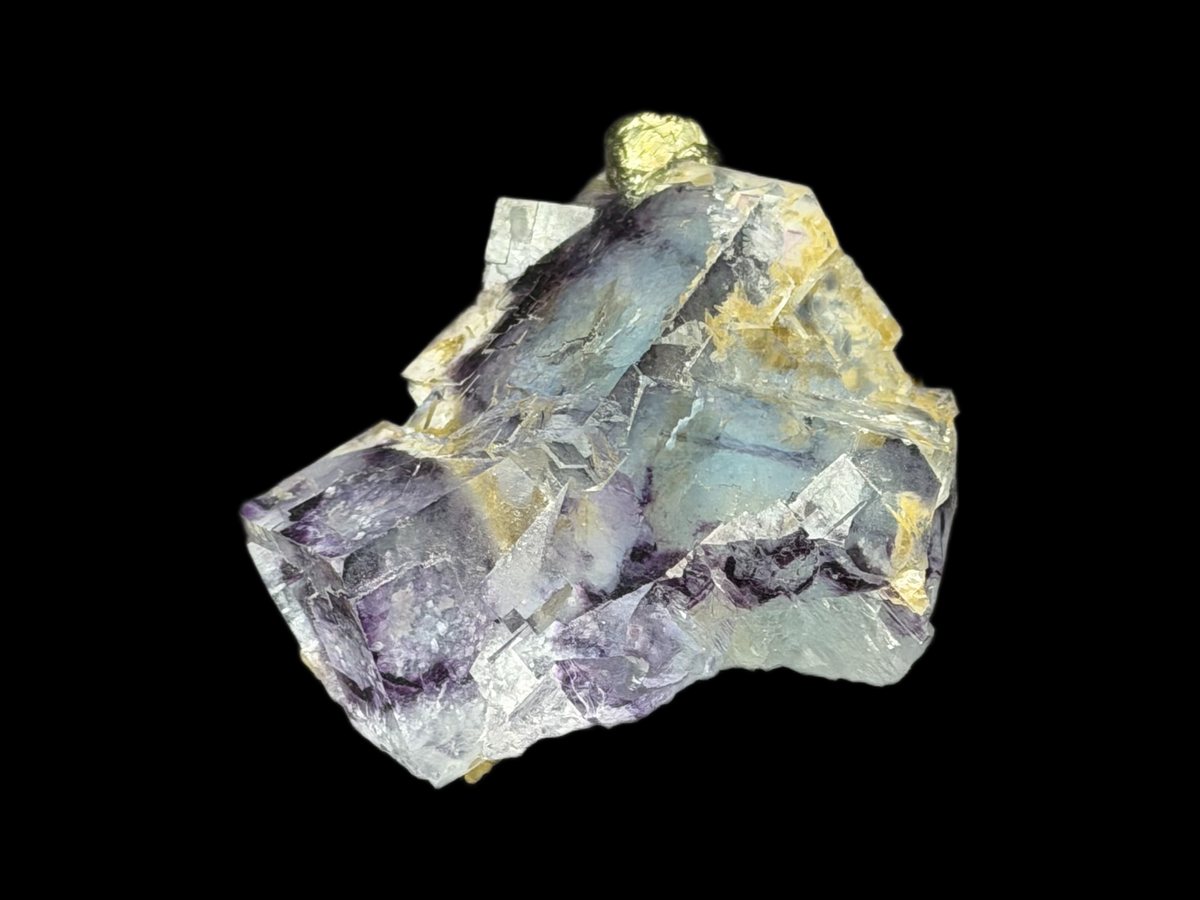
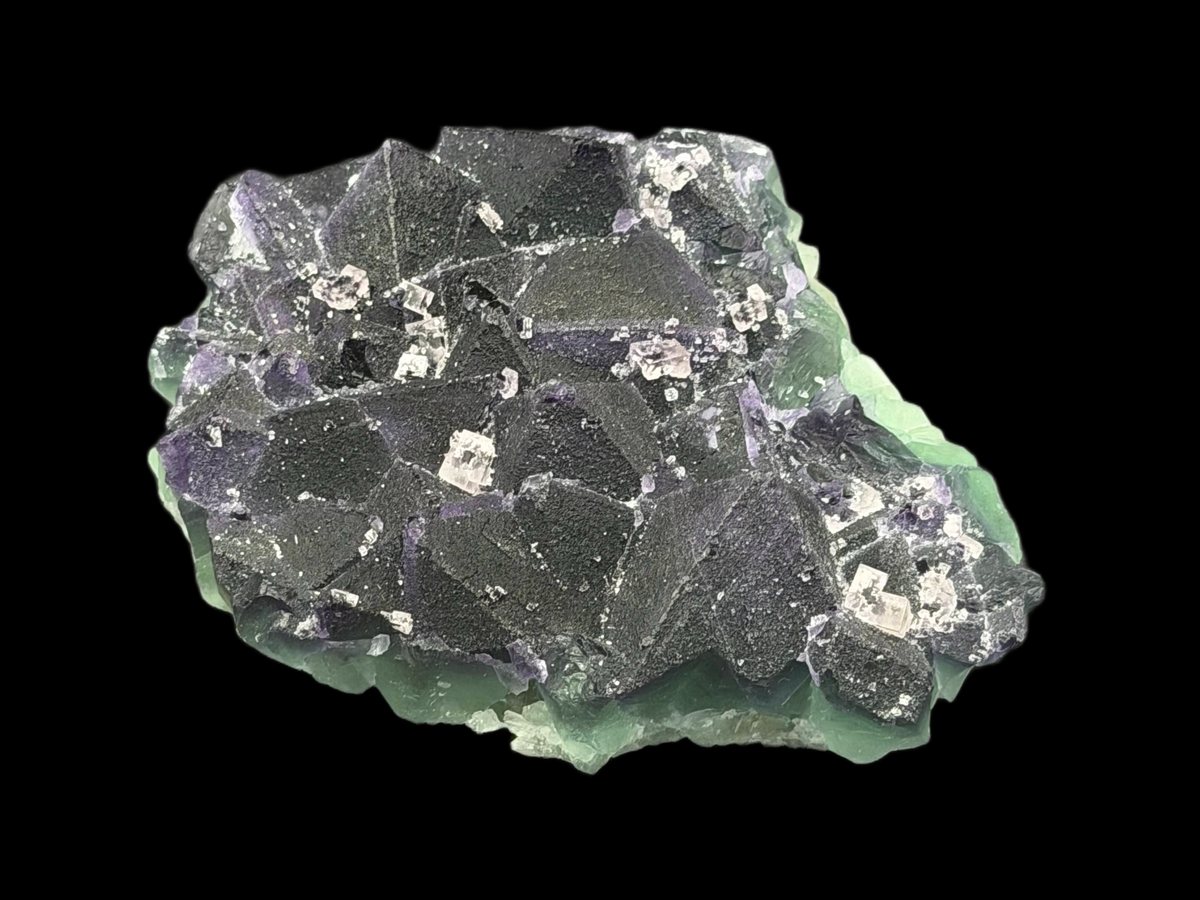
Strawberry Fluorite — Dafeng Mine (Hunan Province, China). Pink; Cubic. Photo: Jason Souza.QR Code Fluorite — Qinglong Mine (Guizhou Province, China). Purple and Green; Cubic. Photo: Jason Souza.Tanzanite Fluorite — Xia Yang Mine (Fujian Province, China). Purple; Cubic. Photo: Jason Souza.Fluorite — Xianghualing Mine (Hunan Province, China). Clear Blue; Cubic. Photo: Jason Souza.
How to use these platesCompare habit, color, matrix, and label information country by country.
Specimen noteLabel names and specimen notes have been standardized for public display.
Collector Plate: China A33
China is the strongest part of this collector set, with examples from Yaogangxian, Xianghualing, Yunyang, Qinglong, Yindu, Xia Yang, and Dafeng. The plate below shows how one country can produce very different colors and crystal presentations.
Strawberry Fluorite — Dafeng Mine (Hunan Province, China). Pink; Cubic. Photo: Jason Souza.QR Code Fluorite — Qinglong Mine (Guizhou Province, China). Purple and Green; Cubic. Photo: Jason Souza.Tanzanite Fluorite — Xia Yang Mine (Fujian Province, China). Purple; Cubic. Photo: Jason Souza.Fluorite — Xianghualing Mine (Hunan Province, China). Clear Blue; Cubic. Photo: Jason Souza.Black, Blue and Purple Fluorite — Yaogangxian Mine (Hunan Province, China). Black, blue and purple. Photo: Jason Souza.Fluorite — Yaogangxian Mine (Hunan Province, China). Blue; Cubic. Photo: Jason Souza.
Collector takeawayDo not identify Chinese fluorite by color alone; compare matrix, habit, zoning, and label history.
Shape rangeThe China examples include cubic, windowed, botryoidal/bubble, and multicolored pieces.
Collector Plate: China B34
These remaining China specimens highlight locality variety: green-purple fluorite with muscovite, purple fluorite with the “tanzanite” trade look, and pink or strawberry-style fluorite. These are good study pieces because the captions combine color, habit, and locality.
Country
Mine / locality
Region
Specimen
Color
Habit
China
Yaogangxian Mine
Hunan Province
Window Fluorite
Purple
Cubic
China
Yindu Mine
Inner Mongolia
Fluorite with Muscovite
Green, Purple
Cubic
China
Yunyang Mine
Henan Province
Yellow Bubble Fluorite
Yellow
Botryoidal
Labeling tip: keep the exact mine name from the seller label even when trade names are used. Trade names help describe appearance, but mine names preserve provenance.
Window Fluorite — Yaogangxian Mine (Hunan Province, China). Purple; Cubic. Photo: Jason Souza.Fluorite with Muscovite — Yindu Mine (Inner Mongolia, China). Green, Purple; Cubic. Photo: Jason Souza.Yellow Bubble Fluorite — Yunyang Mine (Henan Province, China). Yellow; Botryoidal. Photo: Jason Souza.
Common associationsChinese fluorite can occur with quartz, muscovite, pyrite, sulfides, and many other minerals depending on district.
Study methodUse these images beside the shape chapter to practice recognizing cubes, windows, and rounded/bubble textures.
Collector Plate: Spain, Germany, United Kingdom, Peru & Nigeria35
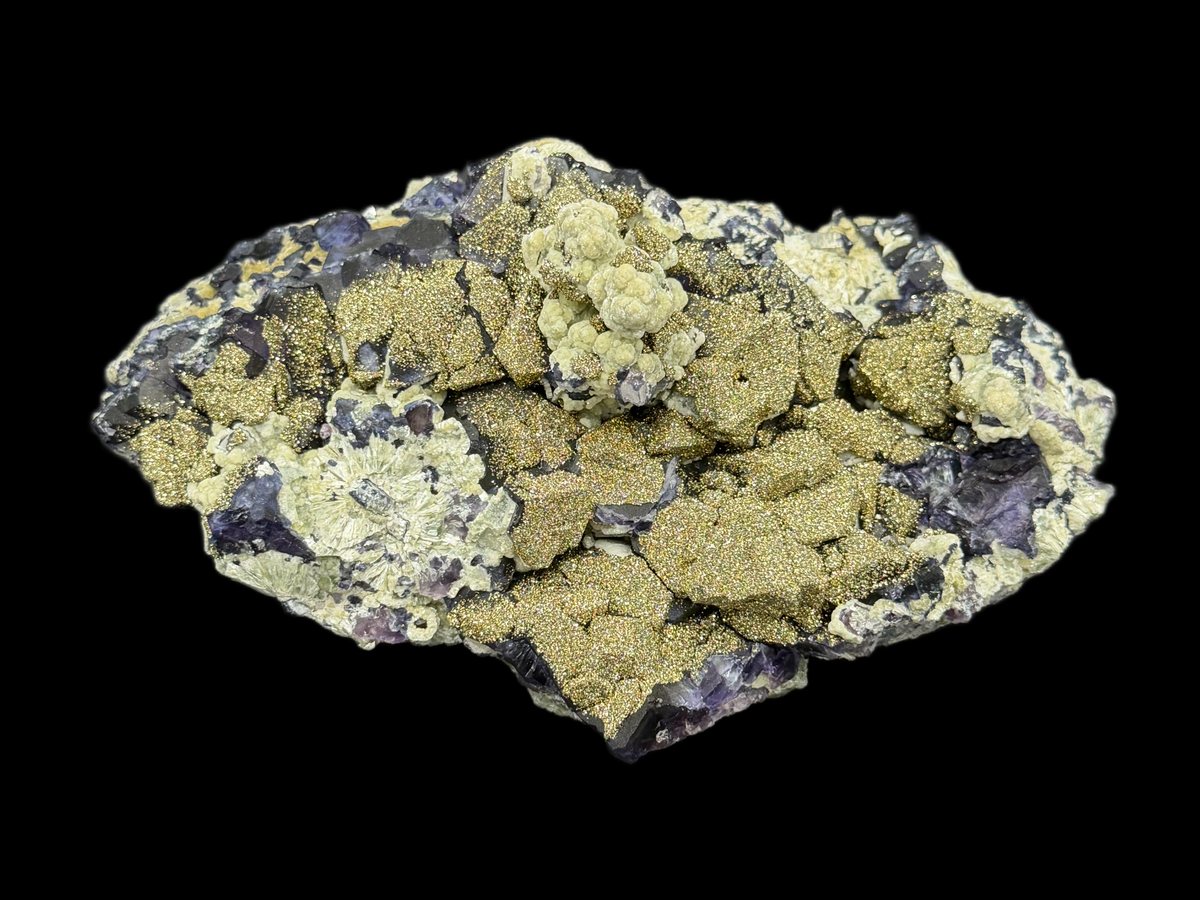
This plate adds non-China examples from the collector plates. It gives the flipbook a broader collector feel: Spanish purple and yellow fluorite, German red fluorite with limonite, United Kingdom Rogerley-style fluorite, Peruvian fluorite with quartz and pyrite, and Nigerian blue fluorite.
Purple Fluorite — Berbes Mine (Ribadesella, Spain). Purple; Cubic. Photo: Jason Souza.Yellow Fluorite — Moscona Mine (Asturias, Spain). Yellow; Cubic. Photo: Jason Souza.Fluorite with Limonite — Anton Mine (Baden-Württemberg, Germany). Red; Cubic. Photo: Jason Souza.Rogerley Fluorite — Diana Maria Mine (Tiny Twins Pocket, United Kingdom). Green-Blue, Color-Changing; Cubic. Photo: Jason Souza.Fluorite with Quartz and Pyrite — Milpo Mine (Cerro de Pasco, Peru). Green, Purple; Octahedral / Botryoidal. Photo: Jason Souza.Nigerian Fluorite — Okene Mine (Taraba, Nigeria). Blue; Cubic. Photo: Jason Souza.
Country
Mine / locality
Region
Specimen
Color
Habit
Spain
Berbes Mine
Ribadesella
Purple Fluorite
Purple
Cubic
Spain
Moscona Mine
Spain
Yellow Fluorite
Yellow
Cubic
Germany
Anton Mine
Baden-Württemberg
Fluorite with Limonite
Red
Cubic
United Kingdom
Diana Maria Mine
Tiny Twins Pocket
Rogerley Fluorite
Green-Blue, Color-Changing
Cubic
Peru
Milpo Mine
Cerro de Pasco
Fluorite with Quartz and Pyrite
Green, Purple
Octahedral / Botryoidal
Nigeria
Okene Mine
Taraba
Nigerian Fluorite
Blue
Cubic
Comparison exerciseLook at matrix first, then color. Matrix often separates similar-looking purple, green, and yellow pieces.
Photo displayThese images are intentionally on black backgrounds to make crystal edges and color zoning easier to see.
Collector Plates: China and Pakistan36
These black-background collector study plates emphasize Chinese mine localities plus a Pakistan specimen, making them useful for comparing cubic, octahedral, botryoidal, and associated-mineral examples.
Purple and Green Fluorite — De'an Mine (Jiangxi Province, China). Purple and Green; Octahedral. Photo: Jason Souza.Blueberry Fluorite — Huanggang Mine (Inner Mongolia, China). Blue; Botryoidal. Photo: Jason Souza.Purple and Green Bubble Fluorite — Xianghualing Mine (Hunan Province, China). Purple and Green; Botryoidal. Photo: Jason Souza.Fluorite with Siderite and Chalcopyrite — Yaogangxian Mine (Hunan Province, China). Yellow; Cubic. Photo: Jason Souza.
Collector plate setThe collector photos have been matched with label data and compressed for the web flipbook.
Display strategyLarge black-background specimen photos are set as compact plates to fill pages without creating blank sections.
Collector Plate: China and Pakistan37
This plate includes Yindu, De'an, Xianghualing, Huanggang, Yaogangxian, and Kharan material. This is a good quick comparison page because it shows multiple habits on one comparison page: cubic fluorite, octahedral fluorite, botryoidal or bubble fluorite, and fluorite associated with pyrite, mica, siderite, chalcopyrite, and candle quartz.
Purple and Green Fluorite — De'an Mine (Jiangxi Province, China). Purple and Green; Octahedral. Photo: Jason Souza.Blueberry Fluorite — Huanggang Mine (Inner Mongolia, China). Blue; Botryoidal. Photo: Jason Souza.Purple and Green Bubble Fluorite — Xianghualing Mine (Hunan Province, China). Purple and Green; Botryoidal. Photo: Jason Souza.Fluorite with Siderite and Chalcopyrite — Yaogangxian Mine (Hunan Province, China). Yellow; Cubic. Photo: Jason Souza.Purple and Green Fluorite — Yindu Mine (Hunan Province, China). Purple and Green; Cubic. Photo: Jason Souza.Purple Fluorite with Pyrite — Yindu Mine (Hunan Province, China). Purple; Cubic. Photo: Jason Souza.Fluorite — Kharan Fluorite Mine (Kharan District, Pakistan). Yellow; Cubic. Photo: Jason Souza.
Shape comparisonLook for flat cube faces, triangular octahedral geometry, and rounded botryoidal surfaces.
Association comparisonPyrite, mica, siderite, chalcopyrite, and quartz help tell a fuller specimen story.
Collector Label Details: Locality & Habit Notes38
This compact table records locality and visual habit information for the collector examples. It also supports the quiz and country chapters by giving readers real specimens to compare with the general formation, shape, and mining chapters.
Country
Mine / locality
Region
Specimen
Color
Habit
China
De'an Mine
Jiangxi Province
Purple and Green Fluorite
Purple and Green
Octahedral
China
Huanggang Mine
Inner Mongolia
Blueberry Fluorite
Blue
Botryoidal
China
Xianghualing Mine
Hunan Province
Purple and Green Bubble Fluorite
Purple and Green
Botryoidal
China
Yaogangxian Mine
Hunan Province
Fluorite with Siderite and Chalcopyrite
Yellow
Cubic
China
Yindu Mine
Hunan Province
Purple and Green Fluorite
Purple and Green
Cubic
China
Yindu Mine
Hunan Province
Purple Fluorite with Pyrite
Purple
Cubic
Pakistan
Kharan Fluorite Mine
Kharan District
Fluorite
Yellow
Cubic
Fluorite with Siderite and Chalcopyrite — Yaogangxian Mine (Hunan Province, China). Yellow; Cubic. Photo: Jason Souza.Purple and Green Fluorite — Yindu Mine (Hunan Province, China). Purple and Green; Cubic. Photo: Jason Souza.Purple Fluorite with Pyrite — Yindu Mine (Hunan Province, China). Purple; Cubic. Photo: Jason Souza.Fluorite — Kharan Fluorite Mine (Kharan District, Pakistan). Yellow; Cubic. Photo: Jason Souza.
Collector Glossary & Care39
Term
Meaning
Phantom
Earlier growth stage visible inside a later crystal.
Zoning
Bands or regions of different color or clarity.
Vug / pocket
Open space where crystals grew freely.
Cleavage
Preferred breaking direction; fluorite cleavage is perfect octahedral.
Association
Other minerals present on the same specimen.
Repaired
Specimen has been glued or stabilized after damage.
Handling
Avoid drops: fluorite is soft and cleaves easily.
Avoid acids unless you are certain of the matrix and risks.
Use water and a soft brush first; avoid thermal shock.
Keep strong sunlight exposure conservative for color-sensitive pieces.
Photograph labels and keep provenance with the specimen.
Web note: this flipbook is intentionally not laid out like a Word document. It uses tighter tables, smaller images, and two-page spreads to prevent blank sections.
Care warningFluorite is softer than quartz and cleaves easily. Avoid drops, hard brushing, and risky chemical cleaning.
Display tipSupport plates evenly, avoid pressure on high cubes, and keep labels with the specimen.
Cleavage risk on edgesGlassy facesColor detailSurface texture
Credits & Research Sources40
Collector photo plates: fluorite specimen photos courtesy of Jason Souza. These photos were optimized and cropped for the web flipbook, with label metadata standardized for public display.
Photo credits: local specimen photos are derived from credited images in the earlier guide set, including Rob Lavinsky / iRocks.com (CC BY-SA 3.0), Didier Descouens (CC BY-SA 4.0), Parent Gery (CC BY-SA 3.0), Hannes Grobe (CC BY-SA 2.5), and original diagrams created for this project. In-book detail images are crops of the credited source photos.
Remote in-situ photos: Blue John Cavern veins: Marcin Floryan, public domain. Treak Cliff Cavern Blue John pillar: Dave Pape, public domain. Naica Cave of the Crystals photo: Alexander Van Driessche, CC BY 3.0; it shows gypsum, not fluorite, and is used only for formation context.
Use this quiz as a simple study check after reading the flipbook. The questions are intentionally beginner-friendly and focus on the biggest ideas: chemistry, shape, hardness, mining, localities, and specimen care.
How it worksSelect one answer for each question, then go to the final page and click Check my answers.
Goal16 or higher means you have the basic fluorite facts down well.
TipUse the book arrows to go back and review any chapter before scoring.
Quiz topic: chemistry, forms, mining, locations, identification, and care.
Quiz goalThese questions check basic recognition, not expert locality memorization.
Study methodFlip back to the shapes, chemistry, mining, and country pages after you score the quiz.
HintChemistry and hardness questions come from the opening science chapter.
RememberCaF₂, halide, isometric/cubic, Mohs 4.
Quiz Questions 6-1043
HintShape questions come from the cubes, octahedra, and bubble-fluorite pages.
RememberAn octahedron has eight triangular faces; bubble usually means botryoidal/globular.
Quiz Questions 11-1544
HintMining and locality questions come from the mine-methods and country chapters.
RememberOpen pockets make display crystals; ore processing usually destroys specimens.
Quiz Questions 16-2045
HintCare and labeling questions are collector-practice questions.
RememberAvoid drops, keep labels, and preserve locality plus associations.
Quiz Score & Answer Key46
Click the button after answering all 20 questions. The page will mark correct and missed questions, then show your score below.
Your score will appear here.
#
Answer
Why
1
CaF₂
Fluorite is calcium fluoride: CaF₂.
2
4
Fluorite is the reference mineral for Mohs hardness 4.
3
Isometric / cubic
Fluorite is isometric, which helps explain its cube and octahedral forms.
4
Cube
Cubes are the classic fluorite habit.
5
Octahedral
Fluorite breaks on perfect octahedral cleavage planes.
6
White
Fluorite usually has a white streak.
7
Vitreous / glassy
Most good fluorite crystals show vitreous, glassy luster.
8
Halide
Fluorite is a halide mineral.
9
Fluorescence
The word fluorescence is historically connected to fluorite.
10
No
Color helps, but matrix, associations, and labels are stronger evidence.
11
Open pockets or vugs
Open space lets crystal faces grow freely.
12
United Kingdom
Rogerley is in Weardale, County Durham, England.
13
Tennessee
Elmwood is a classic Tennessee locality.
14
Mexico
Naica is in Chihuahua, Mexico.
15
Calcite, quartz, barite, or sulfides
Fluorite commonly associates with calcite, quartz, barite, sphalerite, galena, pyrite, and others.
16
To protect crystal faces and matrix
Specimens are valuable when intact, so careful extraction matters.
17
8
An octahedron has eight triangular faces.
18
Botryoidal or globular
Bubble-like fluorite is often described as botryoidal or globular.
19
Avoid drops and rough handling
Fluorite is soft and cleaves easily, so handle it gently.
20
Locality and associated minerals
Good labels preserve locality, associations, provenance, and uncertainty.
End of flipbook.
Back Cover: Build Your Fluorite Eye47
Keep comparing. Keep the labels.
A strong fluorite identification comes from patterns, not one clue. Use the open-book photos to compare habit, matrix, associations, color zoning, luster, and specimen labels. When you add new pieces to your collection, photograph every side and record exactly what the label says.
Cubic habitGrowth zoningColor and lusterMatrix context
For your websiteThis dense edition is designed to reduce empty page space while keeping the open-book flipbook style.
Next expansion ideaAdd one new locality plate at a time: photo, mine story, locality table, and collector notes.
Mexico detailFrance detailNamibia detailSouth Africa detail